ecology

Climate Change

This is an article from KUOW’s page dedicated to climate change information. In case you were wondering what the U.N. thinks about the “possibility” of global climate change, its effects on humans and humans’ effects on it, here’s a recap of the 2014 report from the U.N.’s Intergovernmental Panel on Climate Change:

Environment
4:18 am
Mon March 31, 2014

U.N. Report Raises Climate Change Warning, Points To Opportunities

Originally published on Mon March 31, 2014 7:07 am

  • From ‘Morning Edition’: NPR’s Geoff Brumfiel on the U.N. panel’s report

“The effects of climate change are already occurring on all continents and across the oceans,” and the world is mostly “ill-prepared” for the risks that the sweeping changes present, a new report from the U.N.’s Intergovernmental Panel on Climate Change concludes.

The report also wastes no time in pointing a finger toward who is responsible: “Human interference with the climate system is occurring,” reads the first sentence in the scientists’ summary of their work.

As NPR’s Geoff Brumfiel tells our Newscast Desk, the panel “includes hundreds of scientists from around the world. Its past reports have made gloomy predictions about the impact of climate on humans. This time around, they’re also trying to prepare us. Chris Field, the co-chair of the new report, says improving health systems, making transportation more efficient, and beefing up disaster response can make a difference.”

“Things we should be doing to build a better world are also things we should be doing to protect against climate change,” Field says.

In the summary of its findings and recommendations, for instance, the panel suggests that ongoing efforts to improve energy efficiency, switch to cleaner energy sources, make cities “greener” and reduce water consumption will make life better today and could help reduce mankind’s effect on climate change in the future. While all people will continue to feel the effects of climate change, the report concludes that the world’s poorest populations will suffer the most from rising temperatures and rising seas unless action is taken.

Still, The Guardian says the report concludes that climate change is “already having effects in real time — melting sea ice and thawing permafrost in the Arctic, killing off coral reefs in the oceans, and leading to heat waves, heavy rains and mega-disasters. And the worst was yet to come. Climate change posed a threat to global food stocks, and to human security, the blockbuster report said.”

“Nobody on this planet is going to be untouched by the impacts of climate change,” says Rajendra Pachauri, chair of the IPCC.

The BBC calls the report “the most comprehensive assessment to date of the impacts of climate change on the world.” [End article]

And quite frankly to those who think they know more than the scientists who are dedicating their lives to studying this, well, they should just go back to drinking their fairy juice and let the educated adults get on with solving problems in the real world.

baking · children · dairy free · food · Food allergies · food allergy blogs · food sensitivities · gf bread · gf foods · gluten free · gluten free bread · Gluten free eating · gluten free food · gluten free foods · gluten intolerance · gluten intolerant · kids

Gluten-free Sourdough Bread cont.

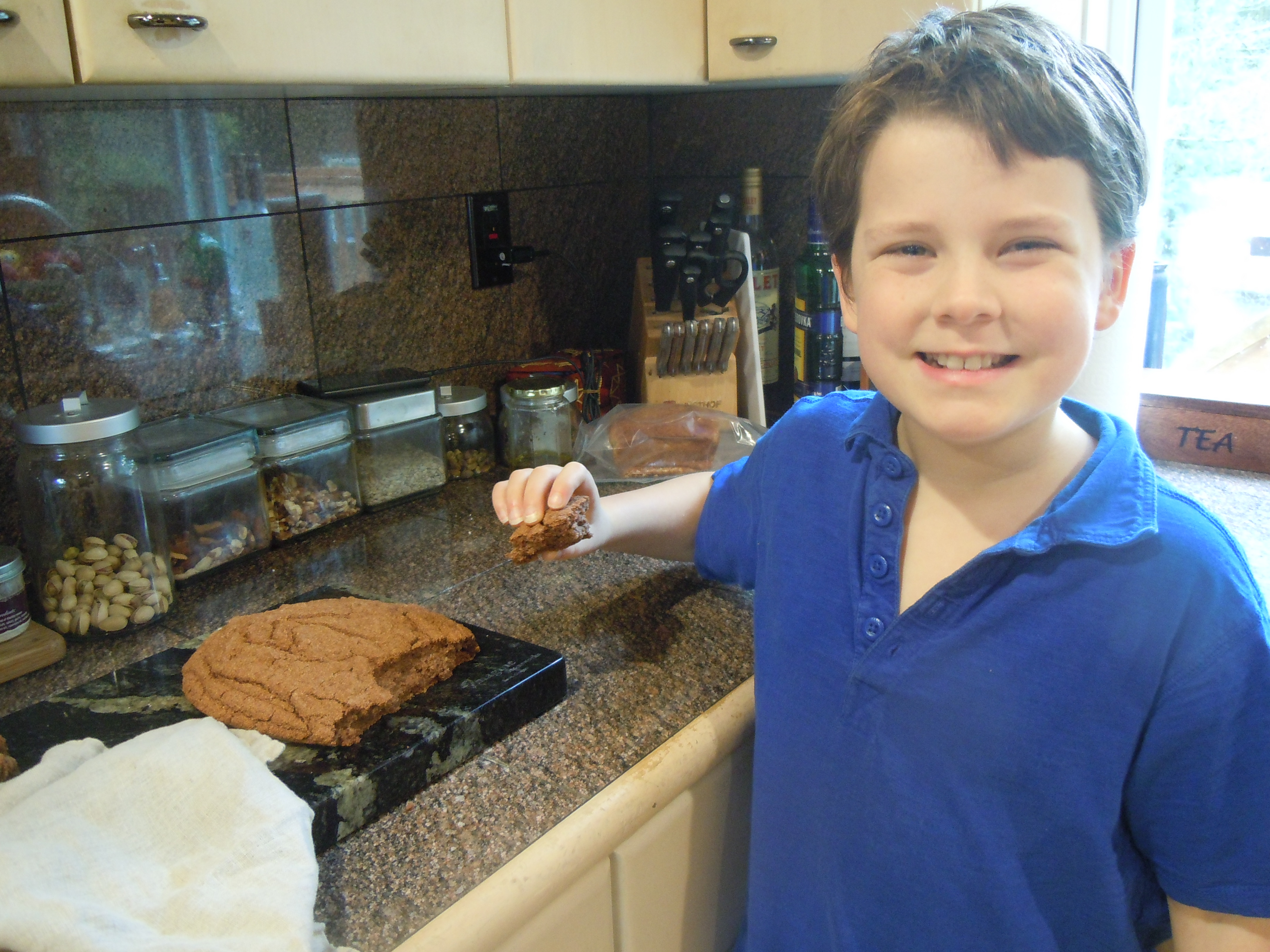
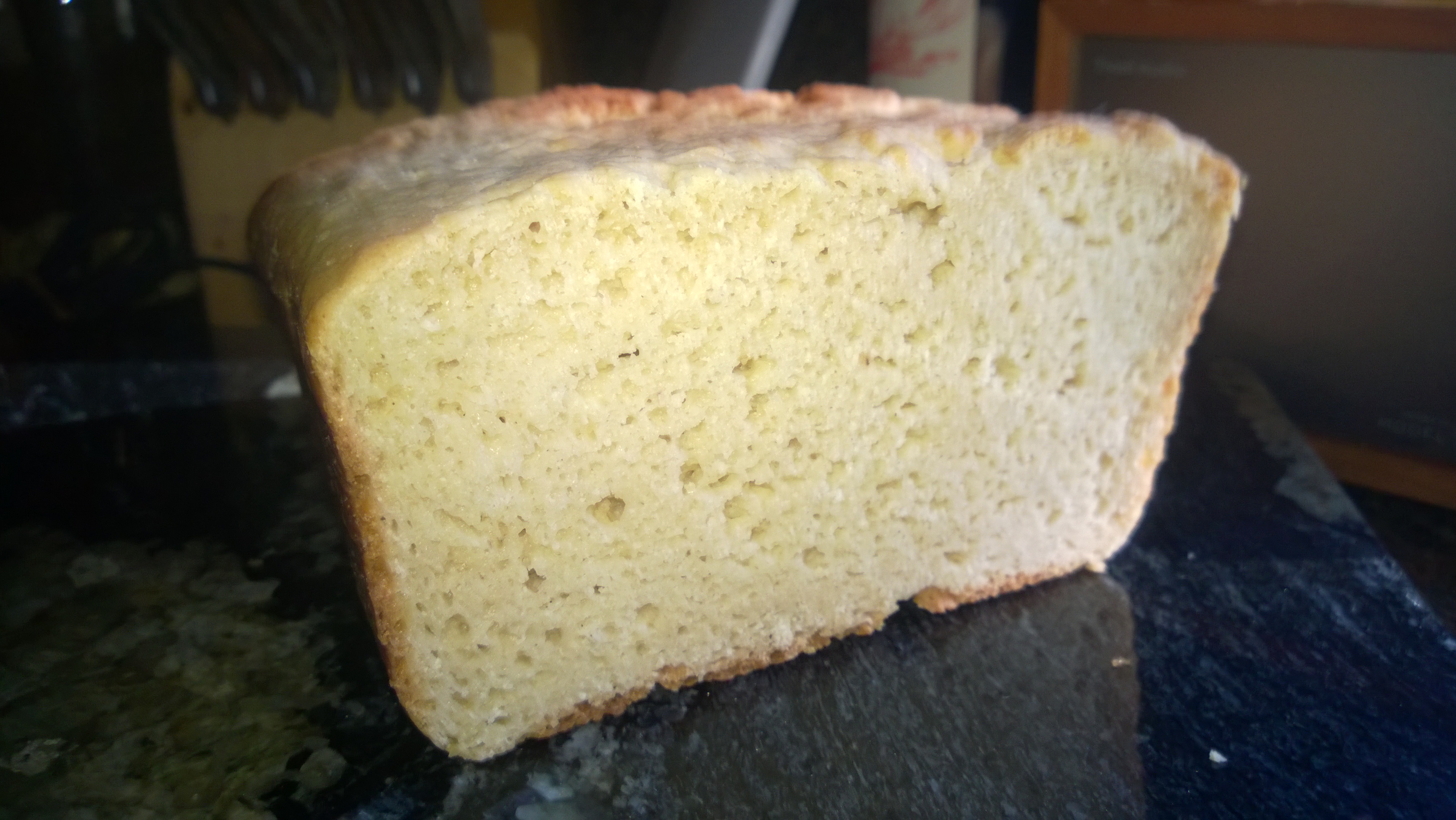
First GF Sourdough bread Well, there it is. The first gluten-free sourdough bread we made. After stirring the ever-funkier starter for several days complete with cabbage leaves and apple skin, my son was not feeling too confident about actually trying the bread. To be honest, neither was I. I really had no idea if the starter we’d made was going to work because it wasn’t ever as bubbly as I expected it to be, but we both were pleasantly surprised. The bread is pretty good!

First taste of GF SourdoughAs you can see from this picture, it did not rise much though. I am guessing as the starter sits for a few more days there will be more yeast activity, and we will try again on Wednesday to make another loaf.  My son thought the bread was more than “pretty good” incidentally, probably because he helped make it and felt ownership in it. That loaf is a blend of teff flour, millet, brown rice and tapioca and he pointed out that the hard crust tasted like cereal and he was right~ it really did. Next time I might do less teff and try gluten-free oat flour for a lighter loaf~ more trials to come!

children · ecology · Education · gardening · health · kids · parenting

Schools a Healthy Place?

I had a strange experience last week when I went to my youngest son’s music class presentation. It was beyond cute of course, with all the second graders sounding angelic although I know they are often quite a devilish group as I’ve seen them enough in other settings. But sitting in the metal folding chairs as they sat on the floor or walked around singing, something else struck me besides the sweetness of it all~ when I looked at them each individually, as in really looked at them, they mostly looked kind of…sickly. Granted it was the end of the day and also the end of the week so they had reason to be tired, and maybe the lighting is not the best in their brand new school, but it seemed odd to me that they could all look so sluggish and lacking vibrancy considering their youth. My own son’s cheeks were flared up with the pink that signifies something is bothering him allergy-wise, either the carpet or something he ate, or who knows what, but that is what made me start looking at the other kids. There was one girl who looked completely healthy, alert, and engaged and I happen to know that this girl always looks that way or at least she does at library time where I help out and also field trips and parties, before and after school. She is just that kind of girl who notices everything and is part of everything and probably questions her teachers and parents ad nauseam. She was seriously the only one. The other kids were a mixture of eyes with dark circles, half closed eyes, wandering eyes and hands, bad skin, rashes, confused and disengaged looks, and tired faces and bodies. It made me wonder about kids, schools, and health. Is the modern school a healthy place for our students? Do they get enough outdoor time? Are they eating good food? Are we doing our best to help them learn? I don’t know, it just bothered me to see a bunch of second graders that just didn’t look vibrant and vivacious. They are too young not to be! The edible schoolyard project is one place to look for answers though my kids’ school has put me off for two years now when I’ve brought up planting a garden there. The students would get so much out of it, not the least of which would be a bit more good health. One bright eyed bushy tailed student out of 21 is not enough.

baking · dairy free · food · Food allergies · food allergy blogs · food sensitivities · gf bread · gluten free · gluten free bread · Gluten free eating · gluten free food · gluten free foods · gluten intolerance · gluten intolerant · kids

Gluten-Free Sourdough Starter

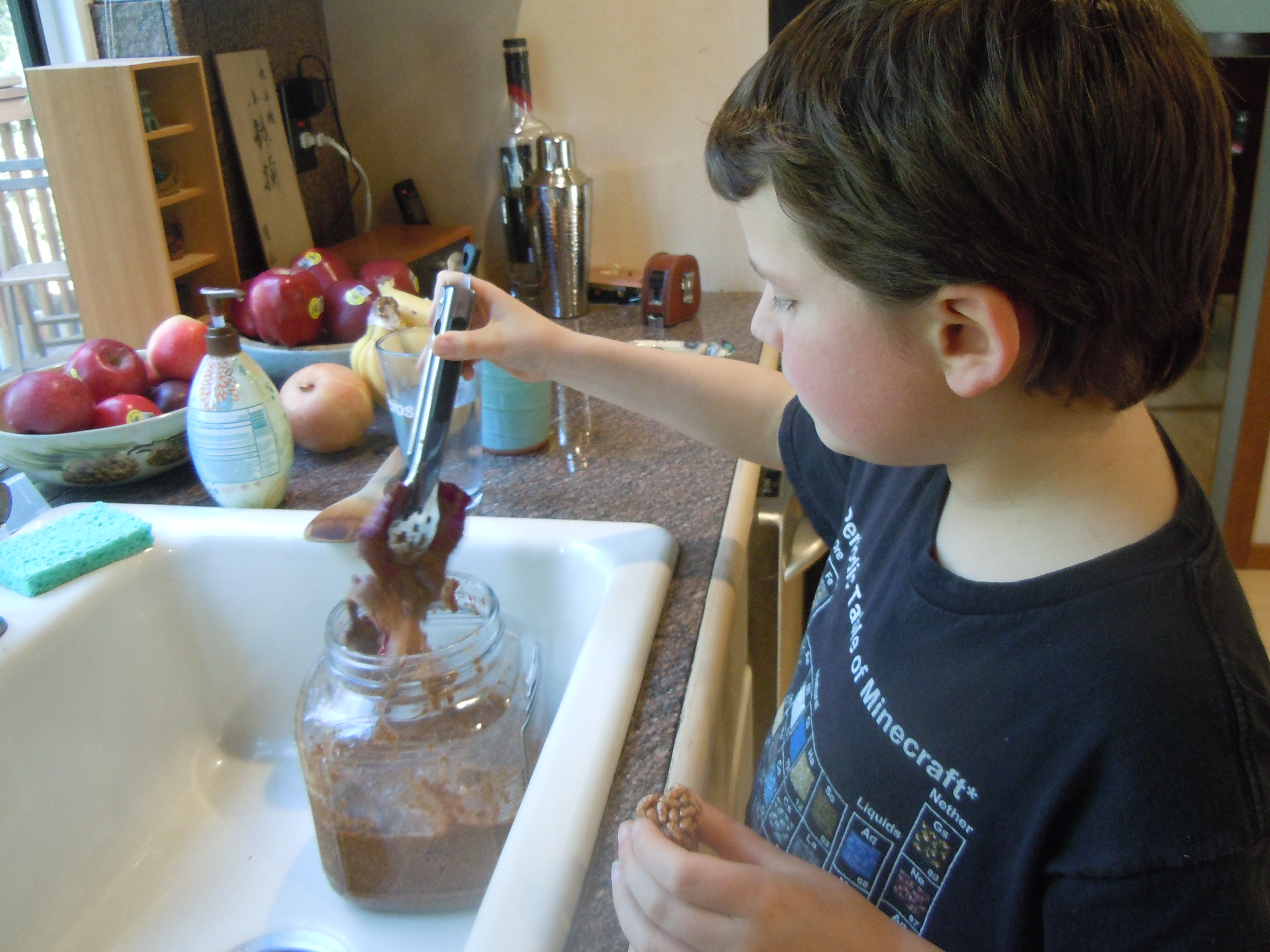
My son needed a science project and I needed a reason to try to make the sourdough starter recipe I’ve been eyeing for months, so we decided to work together and see what happens. The recipe we are using is from Jennifer Katzinger’s Gluten-Free & Vegan Bread. I’ve wanted to make sourdough starter for a long time now, ever since I read about it being a more easily digested bread than other types with single strands of yeast, but the recipes I read always seemed too complex and involved too much planning. Once I read Katzinger’s version which was already gluten-free I started thinking I could do it. Except I didn’t. There was still that planning part that got in my way, until my son’s science fair came up and I thought, we could do this~ we have a week and a half, plenty of time to get the starter going and then to try to bake with it a couple of times, with enough time even for a failure or two. We will actually use the starter later today for the first time, but actually making the mother was easier than I expected, so in case you are feeling daunted by the idea yourself I thought I’d share the steps so far. First, get a gallon size glass jar and put in 1C teff flour and 1C water.

Making starterStir well.

Then add two purple cabbage leaves and the skin of half an apple.

Adding cabbage and apple skin

Mix well again and then let it sit in a warm spot for 12 hours before stirring and adding more teff and water. After 48 hours (with 12 hours in between stirrings and adding more flour and water) it should be bubbling with yeast activity.

Yeast bubbles

It is then time to take out the cabbage leaves and apple skin and put it in the fridge. It is ready to be used.

Taking out the cabbage

Now it’s time to test if this has worked. There is starter resting on my kitchen counter right now warming up with fresh teff and water for 4 hours and hopefully creating some yeasty activity. Crossing my fingers that we will have fresh sourdough bread by tonight. We’ll see!


alternative medicine · children · health · Herbs · kids · parenting · supplements

Natural Anti-Anxiety

This was definitely one of those days where I needed some good news. Our refrigerator is on the fritz, the sky can’t decide whether rain or sleet is better for pelting, and my son made a huge deal about walking to school this morning~ not a fun way to start the day. It was sunny then, by the way, when we chose to walk, OK I chose to walk them, and that is one of the reasons I thought they should walk~ the forecast was not a happy one so all the more important to take advantage of the sun, right? Well, my oldest didn’t agree and he certainly knows how to make his feelings well-known. But, here’s the good news: I saw our family naturopath today to talk about my oldest son’s needle phobia which is causing him to dread turning 10 in a month b/c then he’ll turn 11 and have to get some shots. I know kids in general hate shots, but his fear goes well beyond the norm~ he has seriously talked about his fear of turning 11 due to shots at least once a week for about two years now. The last time they tried drawing blood to test something they literally could not do it b/c he was screaming and hitting and thrashing around so much. They actually gave up after one person tried to control him while the other tried to poke him and all the while I tried distraction techniques, not that he noticed. (I guess I don’t have a future in puppeteering.) So, that’s how badly he dreads needles, but our naturopath gave me some great suggestions and I have a sliver of hope they might actually help him. The biggest piece of advice is to use GABA which apparently is a neurotransmitter that helps keep the body calm, in other words a natural anti-anxiety supplement. After looking around the web a bit for side effect information, this article seemed to sum up what I found, and WebMD has similar information. There is actually a ‘listen’ option on WebMD which is nice if you are sick and tired of reading articles on your screen, and believe me, I can relate. I guess I got so excited about this because I know so many people with anxiety triggers and I’m always talking about kava and other herbal sedatives with them, but this is something that’s found in the brain already and is supposed to keep you calm but alert, something herbs don’t necessarily do as well. Everyone is different, so herbs might be one person’s answer and GABA another’s, or a combination of both. Of course, talk to your own doctor first, or better yet, your naturopath (who has actually studied these things.) And if you want a recommendation for a naturopath is Bellevue, I think ours is the best and I’d be happy to pass along her info.

dairy free · food · Food allergies · food allergy blogs · food sensitivities · gf foods · gluten free · gluten free bread · Gluten free eating · gluten free food · gluten free foods · gluten intolerance · gluten intolerant · vegan

Some New Gluten Free Finds

I don’t know how long I’ve been overlooking this bread, but I have a feeling it’s pretty new to the scene, but boy has it made a splash. I’d say about half the time I go searching for it, there’s none to be found:

olivias super free This is Olivia’s Super Free Baguette and that picture is from their site: http://oliviasuperfree.com/home.html. I’ve been making garlic bread with the baguettes~ olive oil, Tuscan salts, garlic, 425 degrees for 10 minutes, and it turns out really lovely. I can imagine making a big sub sandwich with these too. The texture is great, the flavor is good, and the lightness makes it easy to use in meals (as opposed to being so heavy that all you can do with it is slice and eat it.) The kids whole-heartily approved.

The other bread I’ve found lately is Flying Apron’s new white bread which tastes even better than their old one and they are actually finally making enough that you have a decent chance to buy one on white bread days, (bonus!), which at the Redmond location are Tuesdays and Thursdays.

Flying Apron's White Bread This is a hearty loaf made with quinoa, oat, and I think sorghum flour though I could be wrong about that last one. It has the whole grain goodness of stand-out healthy grains which is so rare in a gluten-free loaf. I love this bread but surprisingly, my sons are not full-on excited about it, though my oldest adores the white rolls made from the same ingredients~ go figure. I think they have gotten so use to the fluffy lightness of gluten-free breads that this denser loaf seems strange to them, like a child who’s been eating regular white bread suddenly tasting a whole wheat loaf~ not exactly the same thing. That’s fine for now because it means more for me! I’ve been making veggie sandwiches with this bread~ one side gets hummus spread on it, the other gets avocado, and in between goes spinach and lettuce, tomatoes, red peppers and whatever else I can find. I haven’t had a fulfilling sandwich like that in so many years I can’t even begin to remember~ until last week that is, at which time I started having them almost every day. Seriously, if you are in the Seattle area and haven’t tried this loaf because you aren’t in the habit of buying a ‘white’ bread~ this loaf will surprise you.

Those two breads above are also vegan, soy, and nut free~ it can be done!

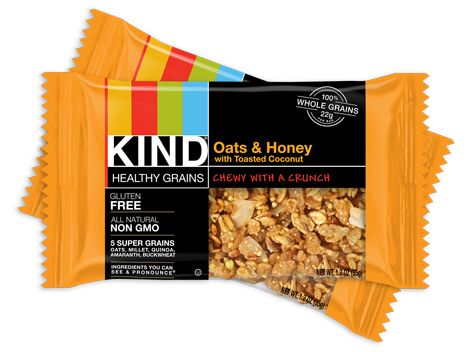
The last product is a granola bar from KIND. These are not the same bars that have been around for a long time, they are different~ flatter and wider for one thing, but the best part is at least one flavor, the oats and honey, is nut free.

kind barThis pic is from their website.

Trying to find a gluten-free, dairy-free protein bar that doesn’t have any nuts in it, especially almonds, is extraordinarily difficult. We eat some bars from Nugo and Enjoy Life Foods, but having a new one to throw into backpacks for snack time is extremely welcome at this point.

If you have any new gluten-free favorites, let me know~ I’d love to hear about them.

Food allergies

Food Funkiness

It seems like everyday I read a new article about some nasty thing regularly found in our food. Yesterday’s article talked about nasty food additives found at fast food places. (Shocking, right? Not really but it was a nice article with a picture that I was able to share with my son who was thoroughly disgusted.) The article I read today gave advice on avoiding GE foods. I know we are a country known for innovation and ingenuity, but can’t we all just agree to let food be food? Is it really that crazy of a concept? People have been growing and eating food for quite a while now and it seems like they’ve managed pretty well so far without poly-this and dimethyl-that. Just reading about those things makes me want to go outside and dig in my garden.

celiac disease · Food allergies · food allergy blogs · food sensitivities · gluten free · Gluten free eating · gluten free food · gluten free foods · gluten free lifestyle · gluten intolerance · gluten intolerance diagnosis · gluten intolerance symptoms · gluten intolerant

Brain on Gluten cont.~ News from Living Without Magazine

Neurologic Effects of Celiac Disease 
A study featured at the International Celiac Disease  Symposium looked at neurological dysfunction in celiac disease. More  than half of the study’s 73 participants—newly diagnosed  adults at a celiac clinic in the U.K.—had neurological symptoms.  These included frequent and intractable headaches, balance problems and  sensory symptoms. White matter abnormalities were spotted in the brain  scans of a number of these participants and some had TG6 antibodies.  (TG6 antibodies have been linked to neurological dysfunction in celiac  disease.) Findings suggest that neurological dysfunction is common in  newly diagnosed celiacs, write researchers.
A U.S. study, also featured at ICDS, found that  neurocognitive effects like brain fog are common after exposure to  gluten in those with celiac disease and non-celiac gluten sensitivity  alike. A whopping 89 percent of celiacs and 95 percent of those with  non-celiac gluten sensitivity reported experiencing neurocognitive  effects due to gluten, specifically, difficulty concentrating,  forgetfulness, grogginess, detachment and mental confusion. Symptoms  often began 30 minutes to an hour after gluten exposure and lasted  several days. Results were based on a preliminary online survey  completed by 1,143 individuals with celiac disease and 253 with  non-celiac gluten sensitivity. More work is planned.

This is the exact article I found in my email box this morning from Living Without. Fascinating.

gf foods · gluten free · Gluten free eating · gluten free food · gluten free lifestyle · gluten intolerance · gluten intolerance diagnosis · gluten intolerance symptoms · gluten intolerant · organic

Brain on Gluten

This is an interesting article about one neurologist’s belief that gluten and carbs are responsible for many brain ailments, such as Alzheimer’s, dementia, ADD and such. He talks about inflammation being caused by carbs which in turn is the root of many brain diseases, with gluten being especially damaging because of blood brain barrier issues. The part I found most personally verifiable is where he says many gluten intolerant symptoms are not felt in the digestive track at all, but in other parts of the body, and I can readily attest to that. Other foods majorly affect my stomach and such, but when I eat gluten I feel it almost immediately in my head. I had a low-grade headache from childhood until my 20s when I began to figure out the wheat connection. It is like clockwork, eat something with gluten and I start to feel ‘off’, like maybe I’m coming down with something and need to sleep it off, but then I slowly realize it isn’t just fatigue, but the a headache that is different from a normal headache, which incidentally I rarely get now that I don’t eat gluten. My whole body feels fatigued, I feel slightly depressed, and my head hurts for 3 days, and then it all fades into feeling good again. Very predictable. As for Doctor Perlmutter’s assertion that gluten and carbs are innately bad for us, I tend to disagree. It seems he’s stumbled upon some truths, (carbs cause inflammation, inflammation is bad for our brains, gluten causes the worst problems, etc) but he made some suppositions that go to far. There has long been a link between brain and gut health~ this has been long-established and shows up in products such as MindLinx, a probiotic that emphasizes the link between a healthy intestinal tract and the mind, hence the name, and before gluten intolerance was recognized it was thought that all carbs were equally responsible for digestive troubles. People have singled out gluten, sugar, PH balance (remember that craze?), blood type, fat, and many other things as the be-all-end-all deciding factor in health, always just until the next thing comes up. Granted, they usually have at least a nugget of truth in them, but they are never the golden nugget that they are made out to be. If you look at the world’s healthiest populations with the least amounts of disease you find communities that focus on whole foods~ fruits and vegetables, grains and vegetable fats, with small amounts of meat/fish/poultry. A fantastic book (with recipes!) about these healthiest cultures and their diets is The Jungle Effect by Dr.Daphne Miller. Real food, despite valiant efforts, could not be improved, and in fact has only deteriorated in nutrition and taste since the industrial revolution. We live in an age of amazing medical technology and knowledge, and goodness knows I’m happy to not be living in the middle ages with leaches being the latest and greatest, but sometimes the old ways, the jungle ways, can teach us more than any doctor.