Herbs

Daily Herbs

Using herbs on a daily basis to balance and support your body is the best way to get the most out of herbs. In our house and car I use essential oils all day, everyday, to improve our environment’s smell and overall feel, plus they have positive effects on our health and well being. I also take herbs in pill form, drink 3-5 herbal infusions each day, and lately have been putting blends of powdered herbs into my morning protein smoothies and I love it! You can buy your own herbs and create a blend for yourself, or you can buy powdered herbs in blends like the ones by Moon Juice. I like the Moon Juice blends because they include herbs like Astragalus, Eleuthero, Rhodiola, Reishi, and Ginseng which are all good adaptogens and adrenal supporters. Almost all of us could use adrenal support because the adrenals are what get wiped out when you are stressed, overworked, over scheduled, and/or physically pushed to your limits. Can you think of anyone who would say they are stress-free? I sure can’t. Another way I’ve been thinking about incorporating herbs into my smoothies is to make an herbal infusion and use that for the liquid base. I’ve been drinking Yogi’s Cinnamon Vanilla Healthy Skin lately and it would complement my Vega vanilla protein powder quite well. I also like Jasmine Pearl’s Yoga Blend tea which would add a little bit of a spicy taste to the smoothie. Chai would work well too and would set up my digestive system for the day’s work, though I’d have to get a caffeine free version because I don’t want to add more caffeine to my morning since I rely on coffee first thing, and I’m certainly not giving up coffee at this point!

InstagramCapture_17ffba40-306f-4d5a-8777-4c7e3f58b1c5[1]

alternative medicine · children · health · Herbs · homeopathy · kids

Homeopathy

Years ago when I worked at a natural foods store, there was confusion over that word, ‘Homeopathy’. Some used it in reference to all alternative or traditional forms of healing, when it is in fact, a very specific form of medicine. Homeo, just like homo, means same or similar to,  while pathy means disorder in the body, which is exactly the theory behind homeopathy know for action based on “like treats like”. In other words, homeopathic medicine uses substances that would create the same symptoms that one is trying to treat. Sound crazy? It should actually sound familiar, because this is the same theory behind vaccines~ small doses of a trigger element inspire the immune system to kick in and heal the body. While herbalism is best used as a daily practice to maintain balance and work to fix issues long-term, homeopathy is in its element when something is in need of immediate attention, such as when you fall and bonk your head, or come down with a cold despite the fortress of herbal walls you’ve built around yourself (like I did).

There are several homeopathic remedies I always carry with me, especially since I have two young boys who tend to collect bumps and bruises like others collect Star Wars paraphernalia. Arnica is for bumps, bruises, falls, sprains, anything that surprises your body with unwelcome force, including surgery. It works incredibly well, especially for kids who are usually surprised at putting little pellets under their tongue after falling down and they forget all about being hurt.

Arnica30C_Pillow-shadow-300

Another one that is always in my purse is Hyland’s Motion Sickness for obvious reasons. If I’m not in the driver’s seat, I’m sick, and my boys tend to get sick on long trips too, especially when they can’t keep from reading in the backseat. This stuff really works well and even though everyone says ginger or peppermint will help motion sicknesses, I’ll stick with homeopathy over herbs on this one.

hylands-motion-sickness

To ward off flu symptoms, nothing beats Boiron’s oscillococcinum. It’s a homeopathy remedy with a nearly unpronounceable name and yet during flu season it sells off the shelves like candy at Halloween which is proof this stuff packs some serious power. Oscillococcinum

When my kids get a cold I use Hyland’s Cold n’ Cough (if they are coughing) which is a liquid and works quite effectively. It is similar to over the counter brands where you give a dose every 4 hours or so but it isn’t toxic in any way and it doesn’t make kids tired or feel drugged at all.

cold-n-cough-4kids_0

I also like Hyland’s Defend Severe Cold and Flu packets that you add hot water too and drink like a tea. They work really well and don’t have that weird suppressing feeling where the cold has been temporarily buried deeper while I walk around in a lethargic daze extending the time the cold resides in my body.

defendTea with lemon and honey works great too, but the homeopathic boost is a great addition to the winter virus battlefield. After all, the more tools in your toolkit, well, medicine cabinet, the better.

alternative medicine · children · ecology · essential oils · health · Herbs · kids

Everyday Herbalism Featuring Thieves Oil

This morning I was reminded of how herbs as essential oils are just part of my family’s everyday life, making it better, healthier, sweeter smelling, and even a little sillier. Before getting out of bed, I heard my oldest son sniffle a couple of times. The boys went skiing yesterday so I wasn’t overly concerned, but I did put some Thieves oil into my little diffuser instead of my usual morning wake-me-up blend. Thieves oil has a great story to it, though whether it is more history or mythology is anyone’s guess. I like to think the story had to start somewhere, so why not in an actual event? The story has several variations, but basically they all say something along the lines of this: During the Middle Ages there were four thieves in France who used to rob the graves (or the houses) of those who had died of the Plague and managed to not get ill themselves. When they were eventually caught, they were given a lighter punishment in return for telling how they did it. The four thieves admitted they used herbs (most likely soaked in vinegar at that time) to keep themselves from getting the disease. They knew how to do this because among them were perfumers and spice traders who at the time understood the anti-biotic and anti-viral properties of their goods. Their blend has passed down to us through all these centuries, though the actual recipes vary depending on who’s making it. Usually the blends include: clove, lemon, eucalyptus, cinnamon and rosemary, and then different makers add in their own special favorites. You can find it as Thieves Oil, Four Thieves Oil, Bandits Oil, and I’m sure other names as well.

The boys and I use it almost everyday. I have added Thieves Oil to almond oil (10 drops per ounce of base oil) and put it in a glass roller bottle so we can easily apply it. I like to rub my whole neck with it but the boys are pickier. Since it was at first difficult to convince them to start rubbing themselves with this perfume-like substance I resorted to telling them they had my permission to write swear words on themselves with this oil. They found that to be hilarious and even now, after months of this, my youngest still takes the oil from me with mischievous glee and waits for me to pull a face of shock and horror as he writes something spectacularly naughty on his arm. Whatever works.

You can make your own as there are plenty of recipes online, or just buy it already blended at any Whole Foods or herbal shop. I’m using Uncle Harry’s Four Bandits Anti-germ blend right now and realized after I bought it that the company is based right here in Redmond, WA, where I live! Now that’s pretty cool.

InstagramCapture_bb04d5ba-287c-4ca6-9f77-ef6a1934f386[1]

alternative medicine · ecology · essential oils · food · health · Herbs · homeopathy · modern life · slow food · technology

Herbal Enhancement and Enchantment

Every single day I use herbs in a multitude of ways and they are not necessarily ‘curing’ anything (although they might be!) nor are they making me super-human. What they do is enhance daily life in meaningful, beautiful ways and I’m on a mission to get others to think about herbs as enhancing their lives, instead of thinking of them in a pharmaceutical way. If people can change the way they think of herbs, they are far more likely to start using them and enjoying their benefits, which is great in itself but also it is beneficial because herbs work best as promoters of long-term balance, so not only would one get the most out of one’s herbal usage, one would also be able to retain balance and avoid imbalances (dis-ease). In other words, more herbs means less drugs, less sicknesses, less doctor visits.  Now I’m all for modern medicine~ absolutely would not turn back time to any romantic bygone era because I wouldn’t want to lose access to our modern medical wonders. I am most definitely not talking about replacing modern medicine with herbs~ if you have a medical issue, go to the doctor. Herbs can do so much more though, and if you start incorporating them in your life, it’s my firm belief you’ll have less medical issues for which you need to go to the doctor. And even though modern medicine may be full of wonders, the truth is not many people enjoy the time spent in doctors’ offices, hospitals, or going through the newest medical techniques~ miraculous or not. This attitude reminds me of the slow food movement so I like to think of it as slow health. Herbs alone won’t make a person healthy, but thinking long-term about health is a great way to start thinking about your personal tendencies and imbalances and how to counteract those things long-term. Many things might help: exercise, yoga, dietary changes, brain games, homeopathy, social changes, journaling, essential oils…the list can go on and on because we are all such different individuals. At a time of year when so many of us are reviewing our daily lives and resolving to do better, be better, I hope in the rush towards better-ness we can all pause and instead of just downloading a new app on our smart phones to track diets, or upping goals on fitbits, we can all think of slowing down this rush which is itself out of balance. Perhaps the best part of adding herbs into daily life is the connection with nature that moment provides.

Lavender

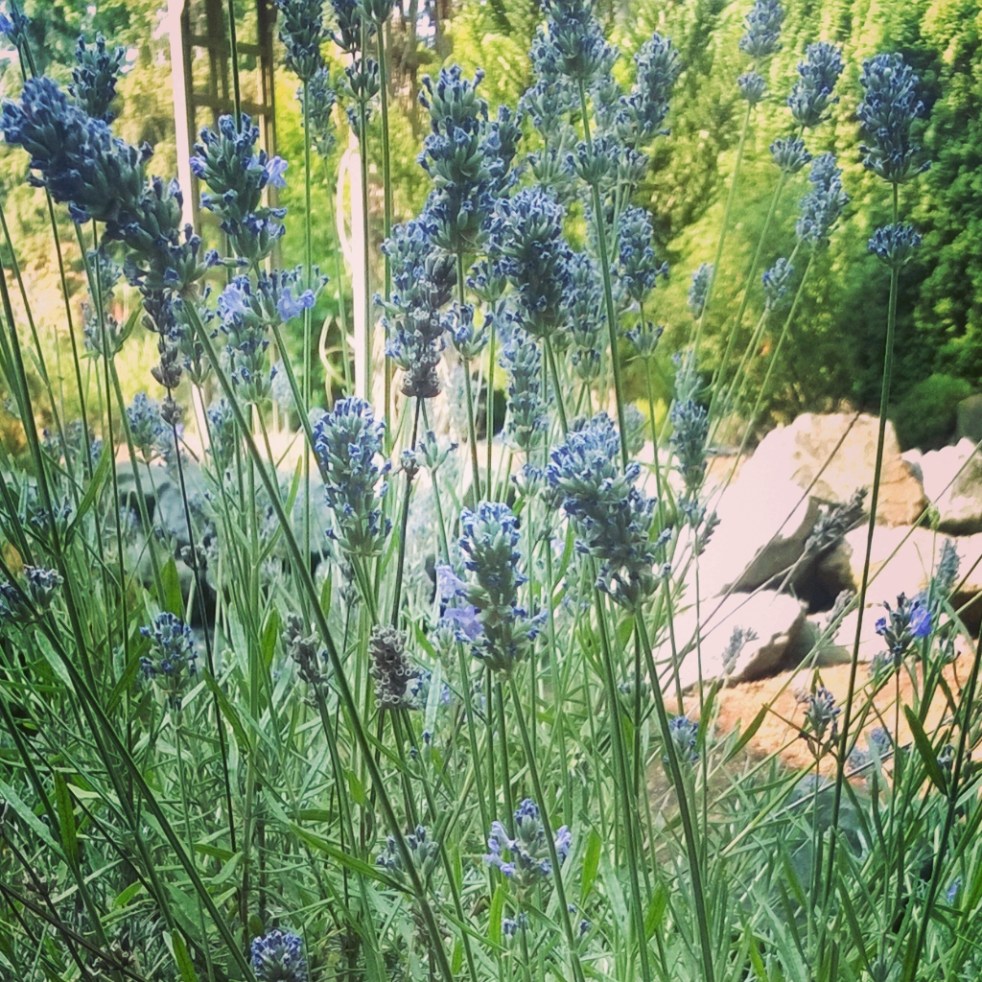
If you own one essential oil, it’s most likely lavender. Add a drop to your pillow tonight, or several drops to your bath and enjoy herbalism that way. In other words, you don’t have to drink an herbal tea or take a tincture in order to benefit from herbs, there is a world of beauty in essential oils that can be tapped through so many ways. Not that there is anything wrong with herbal infusions or tinctures, but if you are new to the world of herbs, I recommend starting with something fully pleasurable and beautiful and hopefully it will whet your appetite to investigate more in the herbal world. Health regimes do not need to be unpleasant~ enjoy creating your optimal health. It’s a beautiful thing.

dairy free · food · Food allergies · food allergy blogs · food sensitivities · gluten free · health · Herbs · recipe · vegan · vegetarian

Herbs and Spices for Digestive Health

I’ve been thinking about Indian food lately…yum…but specifically how is it that a (largely) vegetarian diet could have existed so long in a culture without mass IBS issues? Not that I know about the IBS percentages in India, nor have I ever even been there, but I do think I know at least part of the puzzle~ the herbs and spices that are a part of daily life. The traditional foods are prepared with digestive help built-in~ turmeric, cumin, coriander, fennel, anise, ginger, and more all have positive digestive influences, and some also help regulate blood sugar. (Another bugger with vegetarian diets that one has to watch closely.) If you want to know specific herbs and their detailed affects, here’s a great list. Not only are the meals prepared with these herbs and spices, but in many parts of India is common to chew a spoonful of fennel seeds after each meal. This not only freshens breath but it helps digest the meal without bloating and gaseous effects. Also, many Indians drink chai multiple times a day, with digestive soothing spices such as ginger, cinnamon, cardamom, and cloves mixed with their (usually) black tea. This means they are getting good digestive support all day long~ something that I bet no one there even thinks about because it is just naturally a part of everyday life. Not only are these customs part of their food and drink regimes, the tri-herbal formula, Triphala, is largely taken by people there for decades upon decades. Triphala has many actions, but one of the most well-known traditional uses is on the digestive tract~ it regulates the intestines. People reach for this blend when constipated especially, and it has an extremely large following for just daily usage. I’ve heard and read it is the most commonly used herbal blend in the world, but I cannot say for sure if this is true and really I have a hard time believing anyone tracts things like “most popular herbal blend” but maybe… I think it’s safe to say that it’s popular anyway. For those familiar with Ayurveda, the three herbs used in Triphala are specific to the three doshas, Vata, Pitta, Kapha, and therefore balance out all three doshas in the body. If you want a very cursory introduction to Ayurvedic doshas, here’s a short bit to read. So it seems all together, Indian cuisine works because it is so fundamentally supported by the traditional herbs and spices used. Personally, I can’t incorporate all these factors into my life, but I have started having chai in the afternoons instead of coffee or plain black tea when I need a lift which is usually around 2:PM. It takes a little more effort than boiling water and grabbing a tea bag (though you can find chai in tea bags) but I must say it has been worth it. Not only is it delicious, I’ve noticed less bloating in the evenings. Hoorah! In fact, I think I’ll put some on the stove right now. Here’s my process:

I bought a chai mix in the loose tea section at our local PCC, near the bulk coffee section. If you do not have that option, there are plenty of recipes online which you can modify to your own specific tastes. Here’s one page I found with several recipes: chai.

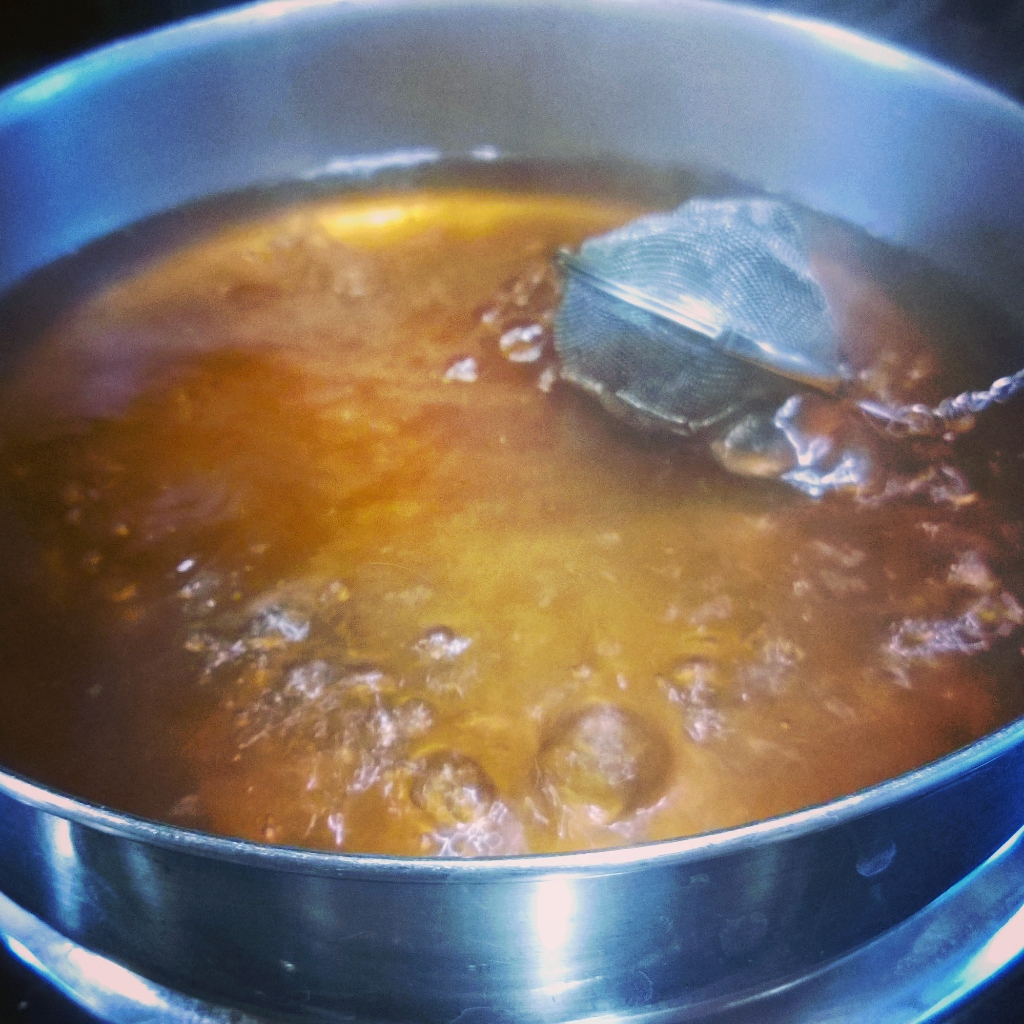
First I fill my mug with water and then pour it into a small sauce pan, put the chai into a tea ball, and bring to a slow boil. It is actually better to do this part loosely, with no tea ball, but I find pouring it too difficult without a lip on this pan, so for now I’m sticking to the tea ball for ease of pouring. Also I end up getting two uses out of the chai in the tea ball, putting more water on to boil almost as soon as I finish the first cup.
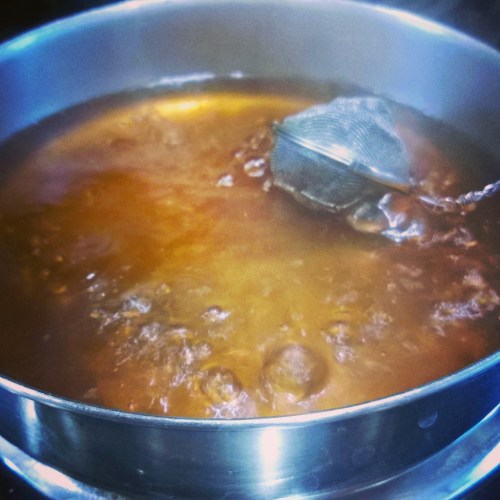
Chai

Some water evaporates in the boiling so there is enough room to add milk to warm up at the end of the process. I use vanilla coconut milk, but use whatever you wish, or none at all!

Chai with vanilla coconut milk

Be sure to look at the ingredients of chai blends because they can have large amounts of sugar, especially the ones that are in a concentrate form. (If it’s the first or second ingredient, find another brand!) You can add honey or sugar to sweeten if you like, but if you are interested in the most healing blend for your digestive system, stay away from the sugar.

Chai while I type

Enjoy! It’s always nice when something delicious also happens to be nutritious. And who couldn’t use more spice in their life? Well, maybe quite a few people, but as for me…I’ll take it.

dairy free · food · Food allergies · food allergy blogs · food sensitivities · gf bread · gf foods · gluten free · gluten free bread · Gluten free eating · gluten free food · gluten free foods · gluten intolerance · gluten intolerant · Herbs · vegetarian

Canyon Bakehouse Breads

Canyon Bakehouse Breads

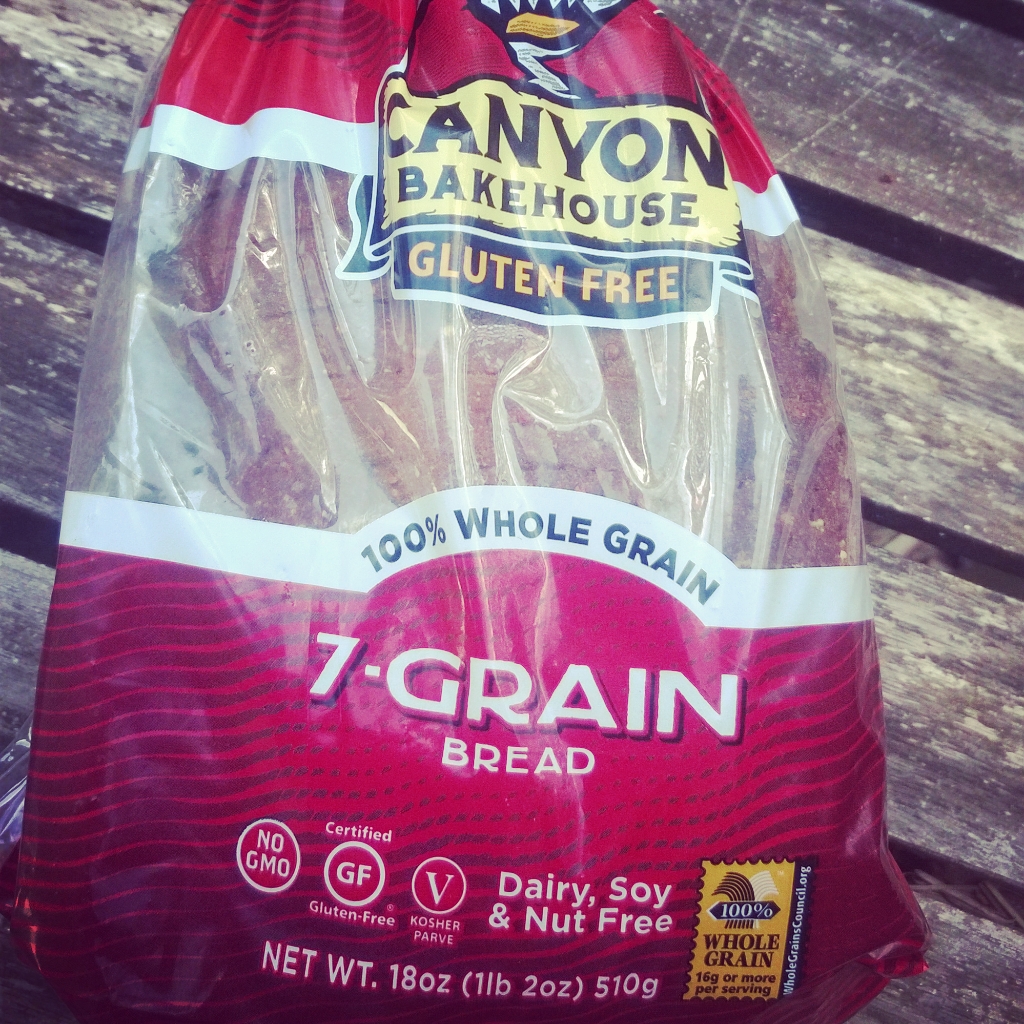
We recently had the opportunity to try the entire line of Canyon Bakehouse goodies and we now have some new favorites in this house. The seven grain bread is the closest thing we have had to whole wheat bread. The texture and taste are surprisingly familiar to the whole grain breads I grew up on and altogether different from any other gluten-free bread I’ve had in these past 10 years of being completely gluten-free.

7 grain bread

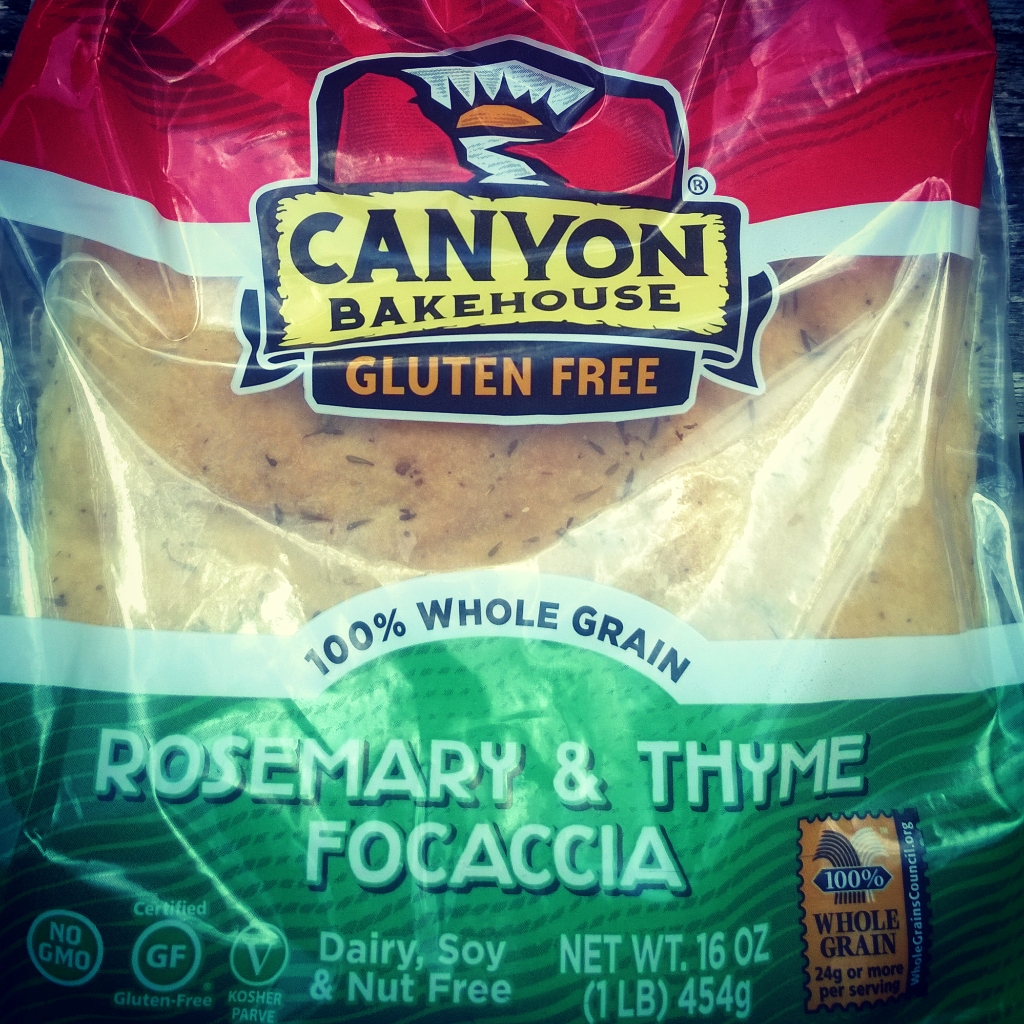
The other new family favorite is the focaccia. Both my sons loved the taste fresh out of the bag or warmed up in the oven under the broiler. This is a perfect bread to add to the side of soup or salad although really my sons will eat it along anything. This bread is also a unique offering in the gluten-free field and I appreciate the fact Canyon Bakehouse also makes these breads dairy, soy, nut and gmo free.

focaccia

Life is short~ be kind, be wise, and try some new bread.

children · ecology · Education · gardening · Herbs · kids · modern life · organic · parenting · picky kids

Happy Earth Day 2015

The boys were excited to plant vegetables and herbs in the garden for Earth Day. I hope they are just as excited to eat them this summer. My older one will be for sure. If you are wondering which one is older, look for the blue stripes and boss-man brow. More and more people are asking me if they are twins, much to their chagrin. One thing about my younger son, though he be picky he is still growing like a weed. Or it might be better to say, growing like a misunderstood wild herb. Little dandy lions.boys garden 2015

celiac disease · food · Food allergies · food allergy blogs · food sensitivities · gluten free · Gluten free eating · gluten free food · gluten free foods · gluten free lifestyle · gluten intolerance · gluten intolerant · health · Herbs · supplements

Curing Gluten Intolerance

Asher jumping

That’s my goal. Total healing. I think it can be done too, but the only problem I have is that I don’t know if I’m celiac or not, which would be a whole other story. If it is ‘just’ gluten intolerance though, it seems like it should be something one could get over, with the proper nutrition specific to those with weaker digestive tracts and supplements to support rebuilding the digestive process. It seems like all the people who have problems digesting wheat, and there are many, probably have a variety of reasons for their gluten issues other than today’s gluten being notoriously harder to digest than it used to be. Here are two reasons that I can think of, though I’m quite certain there are many more:

1. Digestive process being hurt by antibiotics in both food and use in medical treatment. Why? Because antibiotics kill the good bugs as well as the bad bugs, meaning the probiotics in our guts are killed off when we take antibiotics, which is why (some) doctors encourage eating yogurt a few hours after taking antibiotics. Once the micro-system of one’s gut is out of balance, the whole digestive system gets wonky. One reason is that bad gut bacteria flourishes on sugars and partially digested food, and guess what we eat way more of than ever before~ sugar. So the chances of taking antibiotics and messing up the little micro-environment down there is very high, and it tends to have a snowball effect.

2. Our diets are largely sub-optimal for digestive bliss. Fruits and vegetables contain enzymes that break down food but our diets mostly do not contain a large percentage of fruits and vegetables. Even vegans and vegetarians usually eat more beans and processed carbs (which are very hard to digest) than fresh produce. If you are familiar with the low-FODMAP diet, then you will know that even many fruits and veggies are on the ‘gassy’ list because they are harder to digest and therefore tend to sit in the gut too long. If your digestive system is ‘off’ I suggest looking at low FODMAP information to see if this rings true for you. If you are eating foods that are causing any kind of digestive distress, you are weakening your system which again, has a snowball effect. People of course can have different foods set them off other than the high-FODMAP ones so it is important to be aware of your body and it’s reactions to any food, but looking at the FODMAP information might be a good place to start for many. Another place to start might be an IgG food panel test that your doctor or more likely, a naturopath, can administer.

2.5 This is related to the above but needed its own space. There is a book, website, and subsequent subculture and devotees to the idea that even severe digestive disorders such as crohn’s disease, IBS, and Celiac can indeed be cured with a specific diet. I read the book a couple of years ago and was intrigued but my lifestyle right now doesn’t lend itself to following a strict diet like the one they tout which is, as you might suspect, very light on carbs and liberal with meat, though vegetarians are given options. If you are interested, check out the website and if you try it please let me know how it goes because I really want to hear all about it.

So if there are causes to gluten intolerance, it seems to me there must also be ways to correct the issue, such as looking at the micro-biome of the gut and working toward long-term probiotic health by taking supplements, being mindful of antibiotic use, and when antibiotics cannot be helped eating more fermented foods, taking higher dosage probiotics and eating less sugar. Then looking at other supplements that support the digestive system as well as taking an honest look at one’s diet and focusing on (personal) gut-friendly foods as much as possible.

So far, my action plan is the following: I always take high potency probiotics and change the brand each time I buy to get the biggest variety of strains into my system. Other supplements I take in support of my digestive system are apple cider vinegar before meals mixed with water and aloe juice. Enzymes before meals if eating anything at all questionably hard to digest. Turmeric on a daily basis for inflammation throughout the whole body including the digestive tract. And most recently I’ve added in Vital Nutrients GI Repair Nutrients.

There are other herbs that I am considering adding in but I take a lot right now so I’m going to hold off and see how a couple of bottles of the GI Repair work for me. I have no idea when I’ll feel comfortable testing this out but I am guessing it will be a while~ probably when I feel like no foods are troubling my system then I’ll give wheat a try to see what happens. Incidentally, I just read a brief article on Schar’s fb page that said if you are already eating gluten-free and want to get tested for celiac, you need to eat wheat for at least a month at a rate of 4 servings per day before getting tested. That’s a lot of wheat! But so good to have the specific amount in mind for future testing. I might do that at some point, but for now I am just going to focus on healing what I can.

ecology · gardening · health · Herbs

Urban Herbalism

It is so fun to walk around town or on the trails and see the wild herbs growing. These little beauties are Burdock.

Burdock...I think

At least I’m about 95% sure they are Burdock…it’s been over 15 years since I harvested that particular herb so I’m not 100% sure, although I’ve dug up enough roots to be fairly certain. The roots are used for cleansing the liver and blood, which makes it a skin purifier too. If you have skin issues, you might think about looking into adding Burdock tea or tincture into your daily routines, although not every herb is right for every person even if the condition is a correct fit. For example, some herbs are warming while others are cooling, or drying rather than hydrating, and these things can affect the whole person and be exactly what the body needs, or exactly the opposite. It is definitely worth checking in with a naturopath, herbalist, or a doctor who knows about these things before jumping on an herbal supplement. Naturopaths and herbalists are also invaluable for suggesting brands that are what they say they are, and knowing which brands are the most pure, and/or organic, farm-grown or wild-harvested. It’s a shame that the cheaper brands are often adulterated or not even what they are supposed to be inside the bottle, but there are reputable companies out there, you just need to ask the right people which companies are the best. Of course, you could always grow your own, and people have been harvesting from the wild since the beginning of humankind. Marymoor Park

I don’t recommend harvesting your own from public property such as trails though, because you never know what is in that soil and it may or may not be legal anyway, even though herbs are often considered weeds. But you certainly can harvest away on your own property, or on a friend’s. It’s sure nice to spot these wild lovelies growing in the middle of our urban world though. It reminds me of the resiliency of nature, and the fact that the earth is alive always creating, even in winter.

alternative medicine · essential oils · health · Herbs

Essential Oils for Health

One nice thing that’s happened since getting a dog is I’ve rediscovered essential oils for daily use. I’m waging a one woman war against dog smell and losing on many fronts, but using essential oils every day is a clear win because not only do they smell good, they are also good for our health; mentally, emotionally, and even physically. In the mornings I light up my little essential oil diffuser with rosemary helping to wake me up and get my brain going. This is especially helpful since the dog is of the working breed variety and she apparently thinks it is her job to wake me up at 4:AM every day. I’ve told her we need to renegotiate her terms of employment, but her response of pant, pant, paw, paw seemed to say, “What are you jabbering on about? It’s Saturday morning and it’s almost dawn! Get moving lady!!!” So I put on the coffee maker and reached for the rosemary. I know when I’m beat.

Essential oil diffuser

Rosemary has a long history of being good for the brain, especially for memory. In Hamlet, Shakespeare had Ophelia say, “There’s Rosemary, that’s for remembrance. Pray you love, remember.” It’s also stimulating, antiseptic, good for circulation and sore muscles. After that takes effect, I usually add in a bit of cedar which is a bit more grounding. Later in the day I’ll switch to a couple of drops of orange with a couple drops of lavender. This sounds like an odd combination but it’s actually fabulous. Orange and actually all the citrus essential oils are stimulating and uplifting but in a calm way. If you are in the midst of January doldrums, citrus is the SAD antidote. Most people know lavender is calming and good for anxiety, but it also is good for exhaustion which might seem backwards to some people, but calm is very different from tired. I love the fact that lavender’s name comes from the Latin word “lavare” which means to wash because Romans used it for its antiseptic properties, to bathe in, and clean out wounds. Throughout history it’s been used by multiple cultures to ward of plague, illnesses, and pests, as well as to deodorize and perfume. Aura Cacia has a great article on the history of lavender which is well worth the read. When using essential oils, be sure to use authentic oils and not fragrance oils which do not have the same effects as their natural counterparts. There are many websites detailing essential oils and their many different qualities but it’s best to just go to a store that sells them to see which scents appeal to you. Have a happy, healthy weekend!