baking · dairy free · food · Food allergies · food allergy blogs · food sensitivities · gf bread · gluten free · gluten free bread · Gluten free eating · gluten free food · gluten free foods · gluten intolerance · gluten intolerant · kids

Gluten-Free Sourdough Starter

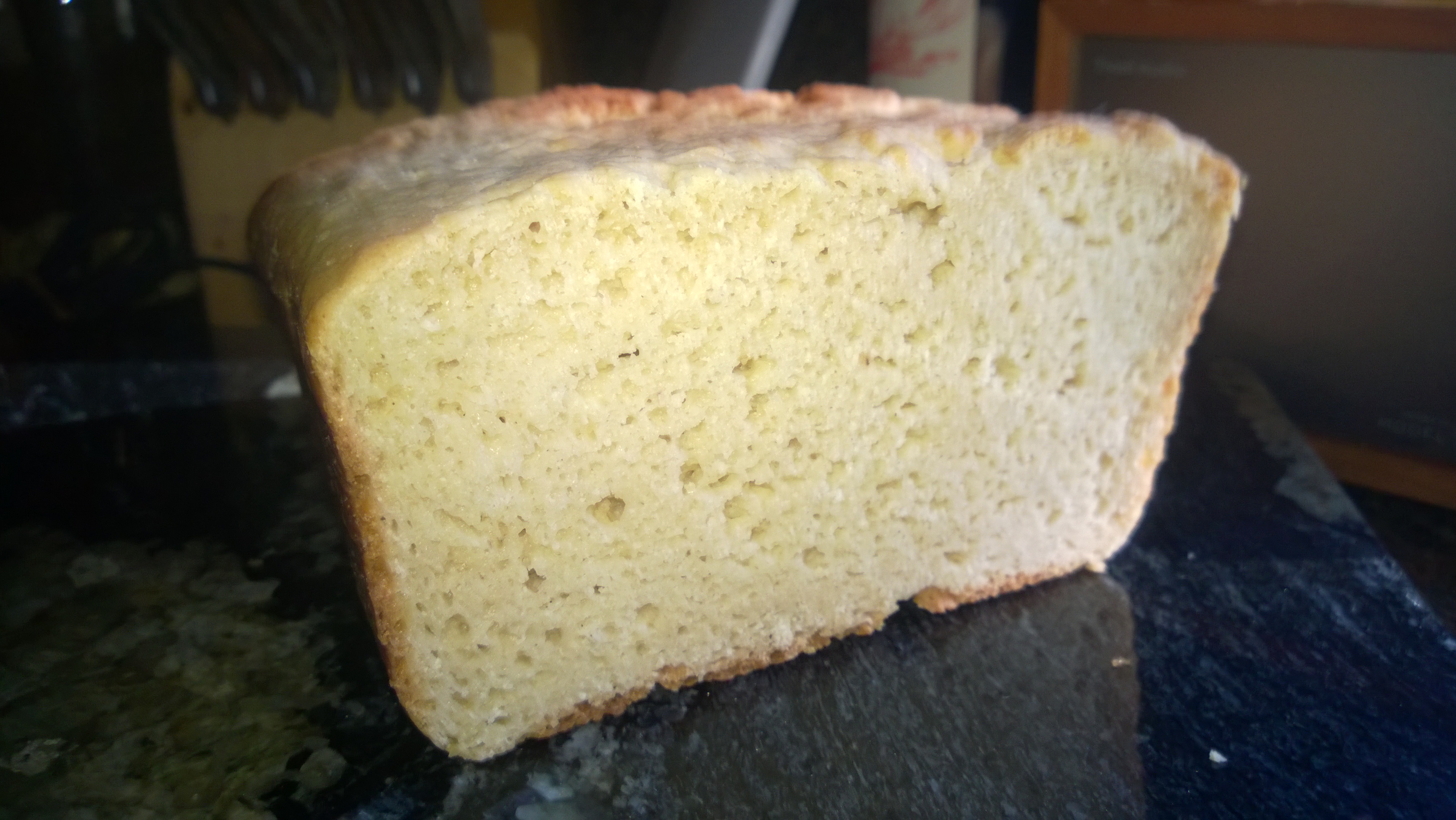
My son needed a science project and I needed a reason to try to make the sourdough starter recipe I’ve been eyeing for months, so we decided to work together and see what happens. The recipe we are using is from Jennifer Katzinger’s Gluten-Free & Vegan Bread. I’ve wanted to make sourdough starter for a long time now, ever since I read about it being a more easily digested bread than other types with single strands of yeast, but the recipes I read always seemed too complex and involved too much planning. Once I read Katzinger’s version which was already gluten-free I started thinking I could do it. Except I didn’t. There was still that planning part that got in my way, until my son’s science fair came up and I thought, we could do this~ we have a week and a half, plenty of time to get the starter going and then to try to bake with it a couple of times, with enough time even for a failure or two. We will actually use the starter later today for the first time, but actually making the mother was easier than I expected, so in case you are feeling daunted by the idea yourself I thought I’d share the steps so far. First, get a gallon size glass jar and put in 1C teff flour and 1C water.

Making starterStir well.

Then add two purple cabbage leaves and the skin of half an apple.

Adding cabbage and apple skin

Mix well again and then let it sit in a warm spot for 12 hours before stirring and adding more teff and water. After 48 hours (with 12 hours in between stirrings and adding more flour and water) it should be bubbling with yeast activity.

Yeast bubbles

It is then time to take out the cabbage leaves and apple skin and put it in the fridge. It is ready to be used.
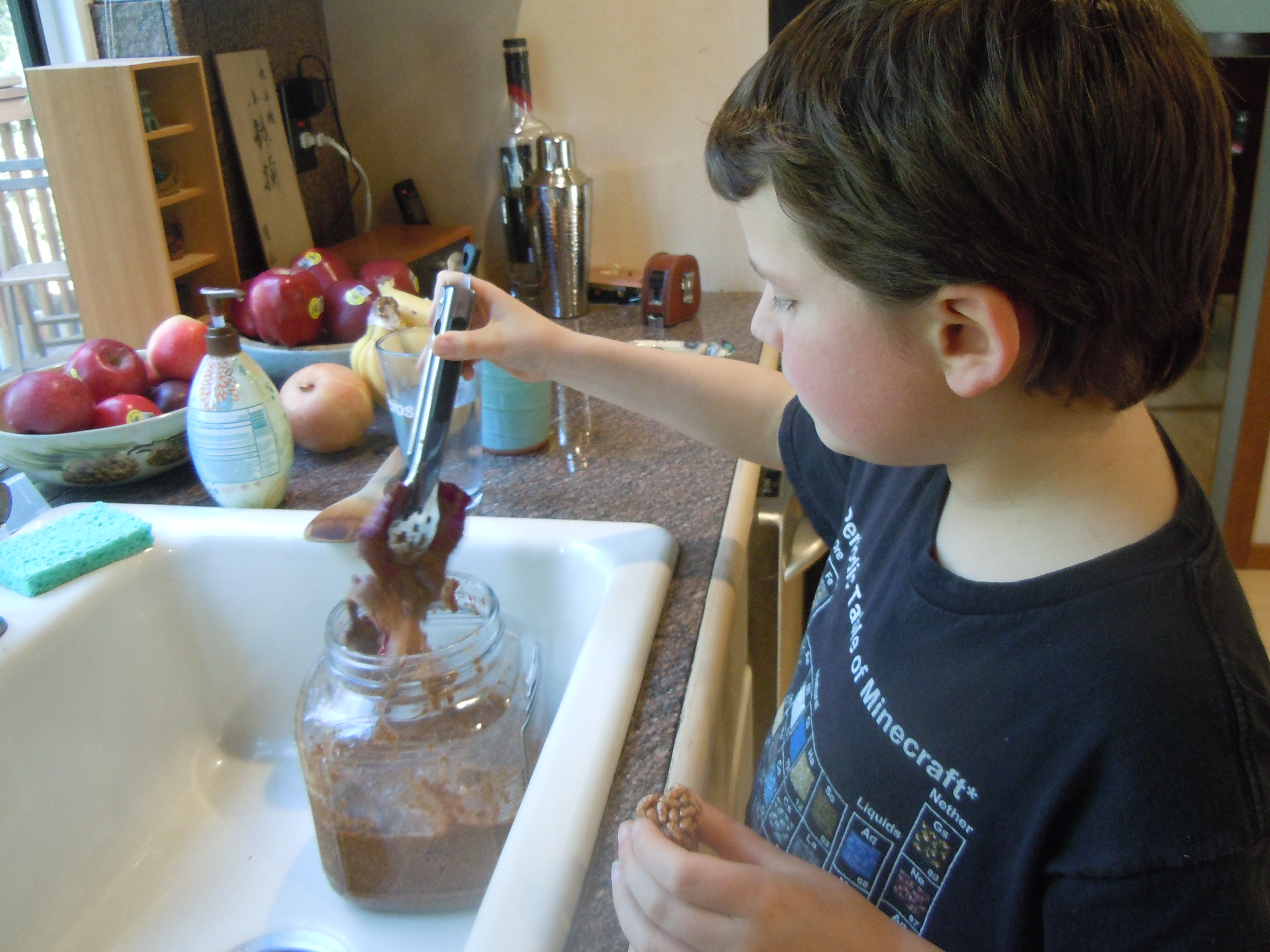
Taking out the cabbage

Now it’s time to test if this has worked. There is starter resting on my kitchen counter right now warming up with fresh teff and water for 4 hours and hopefully creating some yeasty activity. Crossing my fingers that we will have fresh sourdough bread by tonight. We’ll see!

 

dairy free · food · Food allergies · food allergy blogs · food sensitivities · gf foods · gluten free · gluten free bread · Gluten free eating · gluten free food · gluten free foods · gluten intolerance · gluten intolerant · vegan

Some New Gluten Free Finds

I don’t know how long I’ve been overlooking this bread, but I have a feeling it’s pretty new to the scene, but boy has it made a splash. I’d say about half the time I go searching for it, there’s none to be found:

olivias super free This is Olivia’s Super Free Baguette and that picture is from their site: http://oliviasuperfree.com/home.html. I’ve been making garlic bread with the baguettes~ olive oil, Tuscan salts, garlic, 425 degrees for 10 minutes, and it turns out really lovely. I can imagine making a big sub sandwich with these too. The texture is great, the flavor is good, and the lightness makes it easy to use in meals (as opposed to being so heavy that all you can do with it is slice and eat it.) The kids whole-heartily approved.

The other bread I’ve found lately is Flying Apron’s new white bread which tastes even better than their old one and they are actually finally making enough that you have a decent chance to buy one on white bread days, (bonus!), which at the Redmond location are Tuesdays and Thursdays.

Flying Apron's White Bread This is a hearty loaf made with quinoa, oat, and I think sorghum flour though I could be wrong about that last one. It has the whole grain goodness of stand-out healthy grains which is so rare in a gluten-free loaf. I love this bread but surprisingly, my sons are not full-on excited about it, though my oldest adores the white rolls made from the same ingredients~ go figure. I think they have gotten so use to the fluffy lightness of gluten-free breads that this denser loaf seems strange to them, like a child who’s been eating regular white bread suddenly tasting a whole wheat loaf~ not exactly the same thing. That’s fine for now because it means more for me! I’ve been making veggie sandwiches with this bread~ one side gets hummus spread on it, the other gets avocado, and in between goes spinach and lettuce, tomatoes, red peppers and whatever else I can find. I haven’t had a fulfilling sandwich like that in so many years I can’t even begin to remember~ until last week that is, at which time I started having them almost every day. Seriously, if you are in the Seattle area and haven’t tried this loaf because you aren’t in the habit of buying a ‘white’ bread~ this loaf will surprise you.

Those two breads above are also vegan, soy, and nut free~ it can be done!

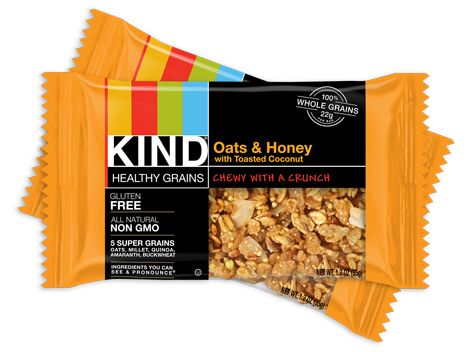
The last product is a granola bar from KIND. These are not the same bars that have been around for a long time, they are different~ flatter and wider for one thing, but the best part is at least one flavor, the oats and honey, is nut free.

kind barThis pic is from their website.

Trying to find a gluten-free, dairy-free protein bar that doesn’t have any nuts in it, especially almonds, is extraordinarily difficult. We eat some bars from Nugo and Enjoy Life Foods, but having a new one to throw into backpacks for snack time is extremely welcome at this point.

If you have any new gluten-free favorites, let me know~ I’d love to hear about them.

celiac disease · Food allergies · food allergy blogs · food sensitivities · gluten free · Gluten free eating · gluten free food · gluten free foods · gluten free lifestyle · gluten intolerance · gluten intolerance diagnosis · gluten intolerance symptoms · gluten intolerant

Brain on Gluten cont.~ News from Living Without Magazine

Neurologic Effects of Celiac Disease 
A study featured at the International Celiac Disease  Symposium looked at neurological dysfunction in celiac disease. More  than half of the study’s 73 participants—newly diagnosed  adults at a celiac clinic in the U.K.—had neurological symptoms.  These included frequent and intractable headaches, balance problems and  sensory symptoms. White matter abnormalities were spotted in the brain  scans of a number of these participants and some had TG6 antibodies.  (TG6 antibodies have been linked to neurological dysfunction in celiac  disease.) Findings suggest that neurological dysfunction is common in  newly diagnosed celiacs, write researchers.
A U.S. study, also featured at ICDS, found that  neurocognitive effects like brain fog are common after exposure to  gluten in those with celiac disease and non-celiac gluten sensitivity  alike. A whopping 89 percent of celiacs and 95 percent of those with  non-celiac gluten sensitivity reported experiencing neurocognitive  effects due to gluten, specifically, difficulty concentrating,  forgetfulness, grogginess, detachment and mental confusion. Symptoms  often began 30 minutes to an hour after gluten exposure and lasted  several days. Results were based on a preliminary online survey  completed by 1,143 individuals with celiac disease and 253 with  non-celiac gluten sensitivity. More work is planned.

This is the exact article I found in my email box this morning from Living Without. Fascinating.

children · cleansing · dairy free · Food allergies · food allergy blogs · food sensitivities · gf foods · gluten free · Gluten free eating · gluten free food · gluten free lifestyle · gluten intolerance · gluten intolerant · health · kids

KISS

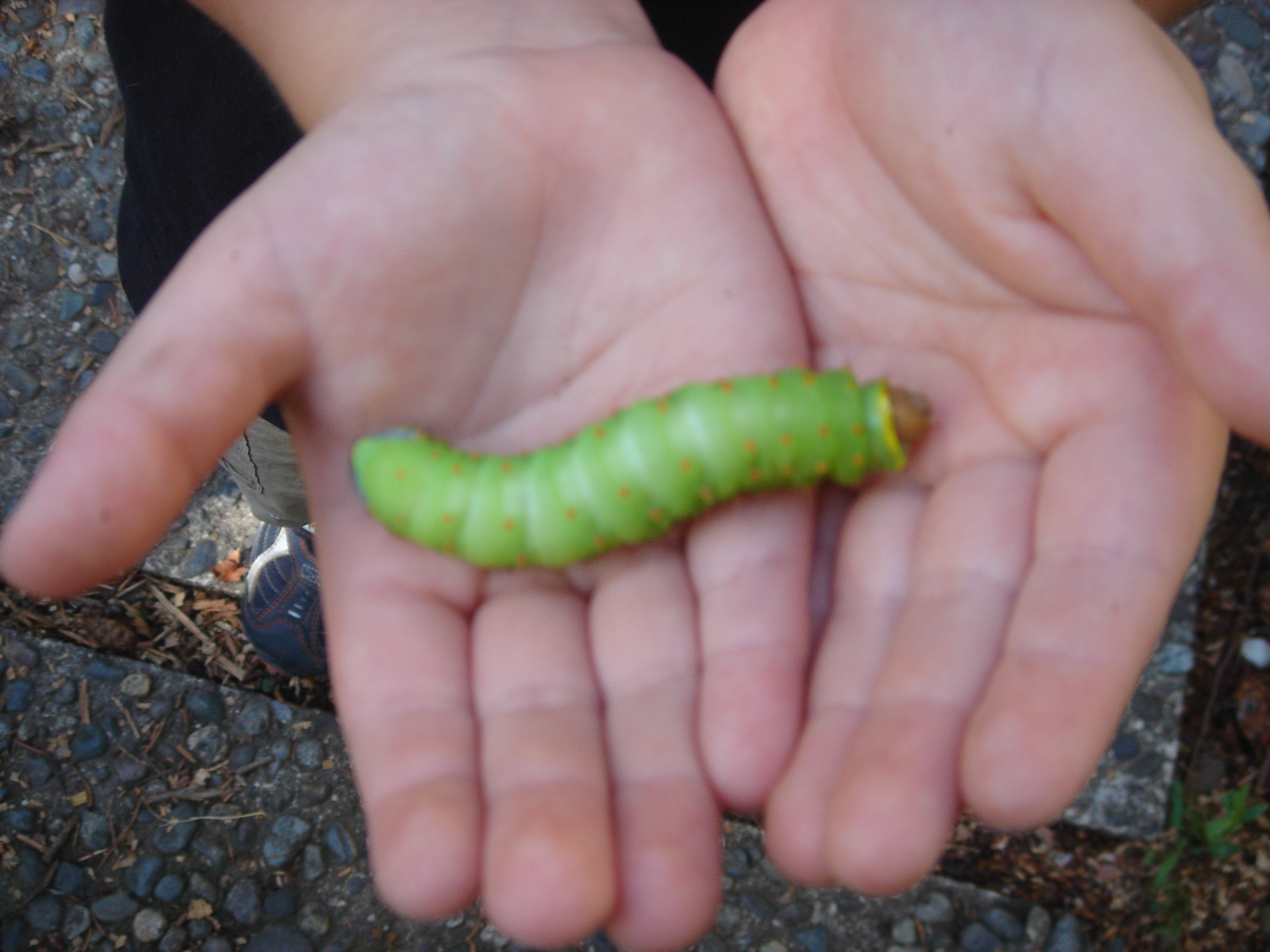
caterpillarI’ve heard a certain expression all my life and never realized the acronym was k.i.s.s. until I just recently put it together. It was one of those moments when I thought, “does everyone already know this?” Anyway, if you’re like me and a little late to the party I’m talking about the expression, “keep it simple, stupid”. That line goes through my head a lot because I have a natural aversion to complications, which is a bit of handicap in this quickly complicating world. That is probably my least favorite part about our family’s food intolerances~ it adds a layer of complexity to what seemingly should be a very simple, straight to the point thing~ eating. When you add in eating while out, or eating while on vacation, the complications add up and complications mean stressers and stress and sometimes I just feel like saying, “let’s just eat whatever we want, shall we?” Actually, I know quite a few families who operate like that~ their children stay away from wheat and/or dairy while at home, but if they are at school and there is trigger food, they can eat it, or if they go out and there is not an easy option to avoiding it, they will just eat it and deal with the consequences. I can see doing that with my own kids once they have been off their trigger foods for a good year so it is totally out of their system and then maybe the bits will help to desensitize them, but for now it just isn’t worth it. They are so much healthier now, with better skin, brighter eyes, more energy, and happier outlooks it’s hard to imagine just letting them slide back into the funkiness of food intolerance~ I should know because I was funky for decades before realizing my own intolerances. It makes a huge difference, and in a way, it has it’s own simplification aspects that I appreciate~ the more natural the ingredients and the fewer the ingredients, the better. This time of year we hear a lot about food and diet programs, Paleo this and cleanse that, and again the idea of ‘keep it simple, stupid’ comes to mind. If something feels drastic, and difficult, and not doable for the long haul, it’s probably not the best option. I’m all for a cleanse every once in a while, as long as it involves real foods and helps to reset healthy eating habits, but it’s far more important to eat real food, mindfully, every day. I’ve mentioned how picky my youngest is, and in an effort in reinforcing healthy food choices we’ve started a sticker chart for him~ if he tries a new food he gets one sticker, if he eats the whole serving he earns another sticker. Once he reaches 50 stickers then I give him $10. So far it’s helped him with the trying part, though less so with the whole serving part~ but it’s a start, and this is a good time of year for new starts. Good luck with your own New Year’s resolutions, and remember to check in regularly with yourself and make sure you are being ‘kissable’.

food allergy blogs · food sensitivities · gluten free · gluten free food · gluten free foods · gluten free lifestyle

Labels

There’s been a lot of talk about labeling around Washington these last couple of months because of a bill to identify GMO’s on food products. They are still counting the results as far as I know, but it got me thinking about labels in general. The other week I spent a few days feeling pretty bad~ dragging, tired, slightly depressed for no apparent reason~ I thought I was maybe coming down with something, but after about 3 or 4 days I happened to look at my bag of coffee that I was whipping through especially quickly in order to find some cheap energy, and low and behold, can you find the offending word?

Imposter Decaf. Seriously coffee packaging people, make the word ‘decaf’ obvious for heaven’s sake. Maybe a red warning label or wallpapered all over the bag…something. I usually shop in a hurry and what I saw was Organic, Italian, ground (and yes, I buy it ground to save myself some time because trust me, I go through bags of it quickly enough that it isn’t going to go stale on me.) Of course when I did actually finally see that dreaded ‘d’ word I had to laugh out loud which is something I don’t normally do when I’m home alone. I then went and got a triple Americano and felt like I’d just kicked a bad virus plus an episode of depression all in one sip. Here’s another label to make one think…

Can you parse out the food vs. the non-food? I was looking for corn tortillas and was surprised, to say the least, by all the added ingredients. Trader Joe’s has some that are made with simple, real food ingredients. They do have to be used within a few days but I’d rather use my freezer as a preservative than three different kinds of acids. You know when people say that some people, especially kids, react to preservatives and artificial sweeteners and colors and scents? This is what they are talking about. Those other labels come to mind, ADD, ADHD, Autistic, all those things kids are labeled who are also known to be more sensitive to additives in food. By the way, these tortillas are not ones I found at Trader Joe’s, but instead at a regular grocery store. Who knew labels could be so fascinating?

ecology · food · Food allergies · food allergy blogs · food sensitivities · kids

Food vs. Food-like Items and GMOs

FoodThis is something I’ve been thinking about a lot with this whole food intolerance thing. There are so many alternatives out there, but I only want things going in the bodies of my children and myself that are actual food, not fake food. This seems obvious, but if you read the packages of most supposed food items you are bound to read some things that are questionable. Most people assume those ingredients must be OK, I mean the FDA approves them so of course they are healthy, right? But of course no one should be relying on the FDA or even the government recommended food pyramid for their eating choices, but instead thinking about food in a way that makes sense to their life, their health, and their conscience. I just started reading a book that is able to articulate how I’ve always felt being mainly vegetarian (and at times completely vegetarian for years) and now with the food intolerances in our house~ that if you have to substitute the foods you are taking out with fake foods, then there is a problem. I had a friend in high school who suddenly became a vegetarian, not just personal choice of hers, but a vegetarian out to convert the world with stop eating animals stickers and graffiti, lecturing friends and family, and oozing self-satisfaction, and the girl ate soy hot dogs every night. Literally every night, and that wasn’t all, she also regularly ate fake sausages in the morning, veggie burgers all the time,  and faux deli meat with soy cheese sandwiches. Even then, when I too was a full-on vegetarian, I saw that she was not making healthy choices and wondered if her new skin and digestive problems had anything to do with the excess of soy in her life. She didn’t last as a vegetarian beyond the next boyfriend she had, by the way, who was a big meat-eater and she followed suit, laughing at her old ways with the wisdom of a jilted lover. Unfortunately we lost touch because it’d be interesting to track someone’s eating habits by their current love status, or vice versa I guess. Anyway, the point is, trying to keep it real in the kitchen is harder now with the multiple food intolerances in our house, but it is something I take seriously. A woman I know just went to Spain last summer with her son who cannot eat wheat here without getting a runny nose. In Spain he ate wheat every single meal with out one problem~ what is different? Not the kid so it must be the wheat. Europe arguably has more real food than the US for several reasons, but one is because they do not allow the same GMOs in their farming practices. We have the chance to try to curb some of that here by voting to have products labeled with GMO status. Apparently there has been a huge billion dollar marketing campaign to scare consumers from voting yes on this (the biggest giver of funds is Pepsi by the way, a company that I would assume has an audience that generally isn’t too worried about how natural their product is, but they must have something to lose…) but I sincerely hope most eaters out there are intuitive enough and intelligent enough to understand the difference between the engineered stuff that makes companies money, and the pure food that keeps people healthy. There is a difference between food like substances and GMOs because every thing that grows from the ground could be altered by GMOs, which means even the real food can become Frankenstein, (and to a surprisingly large degree, it already has) but to me the two things are connected in that we Americans eat more fake food and genetically modified food than anywhere else, and what do we have to show for it? Food related chronic illnesses and an obesity epidemic. Let’s try to change that by eating real foods, from the earth, that are not genetically modified. Sounds obvious, doesn’t it?

food · Food allergies · food allergy blogs · food sensitivities · gf foods · Gluten free eating · picky kids · vegan · vegetarian

Lentil Love Affair

I’ve written about lentil soup enough to signify I’m no casual lentil-liker, and I’ve seen several recipes for lentil salad this season which makes me think they might be having a popularity surge…I don’t know that for sure, but what I do know is that I’ve just been cooking up lentils like a mad woman lately and my husband and oldest have been eating them up just as fast (when I share that is.) Here’s how I’ve been cooking them: 1.5C French green lentils cooked in a pot with 4C veggie stock, 1 chopped leek, 1 chopped onion, 1 chopped carrot and a bay leaf, plus some olive oil poured in there too. Once the lentils are cooked through (about 20-30 minutes) I add some cracked pepper and Mediterranean salts to taste. They are good in a bowl, wrapped up in corn tortillas, spread on slices of gluten-free bread or crackers, or served over rice. Another thing I’ve found that has been making my life a little easier is a vegan cheese my youngest actually likes on pizza. Yay! I thought that was a lost cause because everyone seems to like daiya cheese best but he doesn’t like it one bit (I do though!). He likes follow your heart brand, so I guess I learned to try different brands when they refuse to eat something. He’s also loving Amy’s brand gluten and dairy free frozen pizza with spinach. That is the first time ever he has voluntarily eaten a green vegetable and liked it. I’d even say loved it!

children · dairy free · Food allergies · food allergy blogs · food sensitivities · gluten free · gluten free foods · gluten intolerance · gluten intolerant

Gluten Free, Dairy Free, Egg Free Fish and Chips

My oldest does not want to exist in a world without fish and chips so I figured I better start experimenting before we went to a restaurant and he got the bad news that breaded fish is generally gluten and egg covered. I searched the internet but was dissatisfied with what I found, so I decided to just give it whirl myself, and he loved how it turned out (yay!), so here’s what I did. I put about 1 cup of brown rice flour in a big Ziploc bag and added black pepper and Mediterranean salt. The cod I used was frozen so I had to let that defrost in the fridge for about a day and a half, but when it was thawed I cut it into smaller pieces. For the ‘chips’ I just used Whole Foods brand frozen French fries, the skinny kind, which both  my kids love, so those went into the oven about the time I started working on the fish. After cutting up the cod I poured canola oil into a pan to cover it about 2 centimeters deep~ this was not a deep fry, but I wanted enough so that when I turned the fish over there was still oil for that side. I put the fish in the rice flour bag, a few at a time, and made sure they were fully covered, then put each piece into the already hot pan until all the fish was used up. I turned the fish several times in the pan, cooking for at least 10 minutes, and just took them out and placed them on paper towels when they looked finished. It worked well~ no egg needed and no bread crumbs (gluten-free or not) needed either. Easy!

dairy free · Food allergies · food allergy blogs · food sensitivities · gf foods · gluten free · gluten free foods · gluten free lifestyle · gluten intolerant

The Devil is in the…Dairy

I knew it would be, but still, the results were harsher than I expected. My youngest is so intolerant to dairy that he can’t even have goat cheese, yogurt, milk which I had recently been relying on. Plus, they are both intolerant of almonds, so there goes the almond milk I use in all my baking, waffle making, etc and it also makes protein bar buying surprisingly difficult. My older one also needs to be off peanuts, eggs, and some other things that don’t really matter for at least six months while their bodies heal from all the damage of ingesting gluten (and dairy) for years. Ah yes, the gluten~ I forgot to even mention that one, but that was a given also. The naturopath thinks my husband is probably also gluten intolerant b/c the kids’ intolerances are so severe. He’s finding out. Fun times at our house. Despite all my prepping for this, I am finding meal times exhausting during this transition period. I know it will get easier, my logical brain was fully prepared for a period of adjustment, some whining and frustration, and some uneaten foods that took a long time to prepare, but my emotional brain can’t seem to keep my own level of frustration in check. When I look at the clock and realize it’s close to a meal time I feel my cortisol levels rise and my mind starts speeding through options~ what can everyone eat so I have to make the least amount of separate meals that gives everyone balanced options and fairly happy and normal and not stressed out while meanwhile I’m stressing out before I even step foot into the kitchen…sigh. I know it will get easier, I really do~ I’m all set to start meal planning with input from every member of the family and to spend some extra time making food such as soups and casseroles that will last for a few days and will be good fall back food, but I don’t feel like I can do that until I have all the bits of information assembled, namely my husband’s and my own intolerances fully understood. We’ll get there, I know. Of course I can say that calmly because it is 1:52PM and I don’t have to make dinner for another 3+ hours…

On a different note, I read a very nice article today that spells out gluten intolerance quite well. For those who have to explain themselves all the time, or are just curious about it, this is a great (short) article to help make that explanation very clear and concise:http://www.mindbodygreen.com/0-9739/how-gluten-wreaks-havoc-on-your-gut.html.

dairy free · Food allergies · food sensitivities · gf foods · gluten free · gluten free food · gluten free foods · gluten intolerance

More Gluten-free/dairy-free Discoveries

Besides the garlic bread that I’ve been making with the Trader Joe’s flatbread, I’ve also been making pizzas which my sons have declared better than delivered pizza, so that says it all. For the cheese I’ve been combining two goat cheeses together, one is that hard goat gouda from Trader Joe’s and the other is a mozzarella style that I found at Whole Foods. I combine the two b/c while the mozzarella one does indeed taste like regular mozzarella, it almost tastes too much, like mozz on steroids. The gouda has a much milder flavor and tames the other quite a bit to make a very yummy, kid friendly, cheese pizza. Here’s the empty package:  Mozzarella Goat Cheese

Today I used Namaste Foods’ pizza crust for the first time and the kids really love that too. I use that same brand for waffles in the mornings (almost every morning for my youngest) and it is wonderfully clean of ingredients that people commonly cannot tolerate. Here’s the package: Namaste Foods' pizza crust

I needed to spread the crust a bit thinner, but this is how it came out:

Gluten free Goat cheese pizza

The boys loved it and commented on the pizza crust specifically. I won’t rely on pizza and garlic bread for too long, but for now, during this transition period, it’s so nice to have easy to prepare foods that the kids enjoy. My youngest son has been open to trying more new foods too, just like the naturopath predicted! She said when kids stop eating foods they don’t tolerate well, their taste buds change. So far my son is eating rice again, like he used to when he was younger but stopped some time around 4 years old. He also has been eating granola which he used to turn his nose up at. Not that these additions are kale and quinoa, but at least it’s a step in the right direction. (Actually two steps!) I’ll take it.