cosmetics · health · Herbs · modern life · natural beauty products

Natural Beauty vs. Toxic Beauty

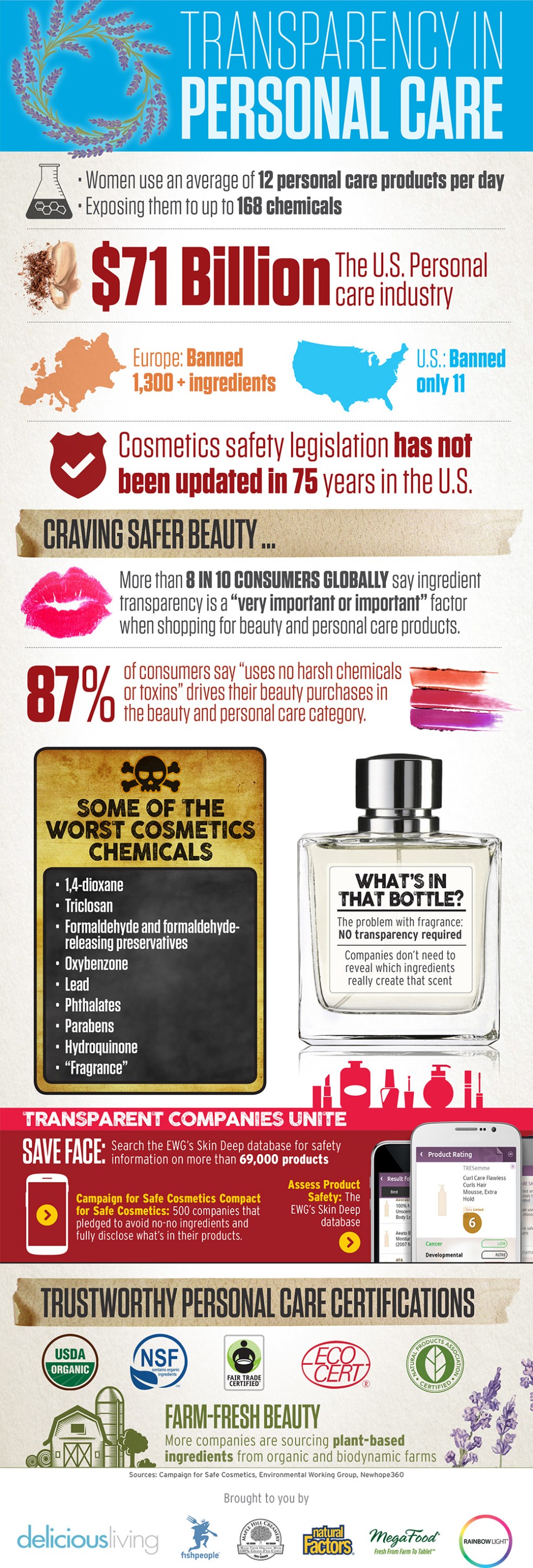
I’m a sucker for a good infographic, especially one that details something I’m interested in and natural, healthy beauty is definitely on my priorities list. There are so many healthy alternatives to the toxic nastiness passed off as beauty products that it doesn’t make sense to put something poisonous, even just potentially poisonous, on our bodies and hair and nails. Make-up, masks, spa routines, and herbal enhancements have been around since ancient times so there is a wealth of history and tradition to draw upon when it comes to modern beauty routines, but we humans seem to have a tendency to want to replicate nature whenever we can to lessen costs, get a patent on it, “improve” upon it (though our bodies innately recognize what is natural and what is not), and therefore make more money. With these things on my mind, I’ve decided to start using Henna on my hair instead of the usual dye. (My brown hair has a large percentage of white or else I wouldn’t dye it at all, but I’m not ready for grey hair just yet, not when there is natural alternative anyway!) I’ll post my results soon because Henna has a bad rap which I think is truly undeserved because I’m feeling pretty positive about it so far. You’ll have to come back and tell me what you think. In the meantime, check out this infographic from Delicious Living and maybe think about what is in your cabinet that could be replaced with something that truly makes you feel beautiful and healthy. Once you discover how instinctively natural products work with your body you’ll never go back to triclosan and phthalates again. And I guarantee your hair, nails, and skin will thank you.

TransparencyPersonalCare

essential oils · health · Herbs · recipe

Essential Oil Sprays

One of the easiest ways to use essential oils is to make up a spray that can be used on your body or in a room to freshen up and influence the atmosphere. You basically just need a spray bottle, distilled water, and whatever essential oils you want to use. I have a video about it also, or you can just follow along here:InstagramCapture_8b745782-8f02-4a8d-a640-236f39e38e7b[1]I also use a funnel to fill the spray bottles with distilled water, just to be on the safe side, and I always write down what I make in a notebook. And when I say ‘always’ I mean I always intend to write it down, though unfortunately, that doesn’t quite always happen.

InstagramCapture_6b90ff71-b8b2-4bca-9f03-157db58c224d[1]

It’s best to use dark-colored glass, generally found in brown or blue (I’d love charcoal colored glass bottles~ why doesn’t anyone make those?) but plastic or aluminum will do. If you use clear glass then be sure to store your goodies in a cool, dark place, they will last longer and smell sweeter for it.

InstagramCapture_d6e35163-0667-4915-9343-ada6bc53898f[1]

That brown glass bottle as well as the aluminum one above hold 4 oz or 1/2 cup of distilled water and the blue glass container holds 6 oz or 3/4 cup. For the smaller containers I’ll add 20-40 drops of essential oils, depending on how strong they are. For the larger bottle, 30-50 drops will do it.

As for deciding which essential oils, it really depends entirely on what you want~ something that smells of flowers (Ylang Ylang and Jasmine?) Or forests (Cedarwood and Pine)? Something anxiety relieving (Lavender and Neroli)? Something to help you remember to write down your essential oil recipes (Rosemary)? There are endless possibilities so it really helps to get to the root of why you are making the spray. I generally have an uplifting daytime spray that I use all day long, and a calming nighttime spray I use before bedtime. That aluminum spray bottle if filled with Thieves oil and distilled water to use for antibacterial/antiviral uses which has been used all too often this wet winter season.

Even though I use the daytime spray more often, I have to put it in the smaller bottle because visually the dark blue bottle reminds me of night and the Lavender and Sandalwood that resides in it, while the brown bottle reminds me of my favorite daytime mixture which is Bergamot and Clary Sage. (Bergamot is in Earl Grey tea so I guess that explains the brown connection.) Together they produce an uplifting spray that is antidepressant and smells incredible good, lightly floral with a hint of citrus-y sunniness.

Another combination I like to use for day use  is Rosemary and Orange, which is the combination I use in my diffuser every morning to get my mind jump-started and influence my mood to be a bit sunnier despite the early hour. Rosemary is the classic brain herb especially benefiting memory, while all citrus oils are great mood enhancers and are stimulating thus perfect for morning. They do increase photo-sensitivity so that is something to be aware of when using them. I’ve written before about how cool that actually is because of the whole sun-D-seasonal affected disorder connection, so I won’t repeat myself but it’s worth reflecting on how brilliant nature really is.

Here’s what I made today (and I actually did remember to write these in my notebook already~ thank you Rosemary!)

Day Spray:

4 oz distilled water

20 drops bergamot

20 drops clary sage

And Night Spray:

6 oz distilled water

30 drops lavender

10 drops sandalwood

InstagramCapture_313006bb-0c45-4927-ae87-63f817a1f2b4[1]

I should note that many people put alcohol such as vodka in their sprays in an effort to keep the scent around longer. I do not do this because I find the alcohol scent lingers longer than the essential oils and that is not a smell I personally enjoy, but there are plenty of recipes online if you want to experiment with adding alcohol to your sprays.

Have fun experimenting and here’s a link to aura cacia’s recipe page which has all kinds of inspiration on it should you find yourself in a creative mood. And lastly, don’t forget to label what you make~ all it takes is a bit of paper and tape to keep straight what’s for day and what’s for night. And do shake your mixtures to blend them well. Valerie Worwood who has written many best-selling aromatherapy books including The Complete Book of Essential Oils and Aromatherapy says to rub your palms together with the bottle between your hands for best blending.

InstagramCapture_335cf2a8-c555-4abe-bf56-6797201715a3[1]

Sorry about that weird picture with my hands looking way too large to be human, but it’s a hard thing to describe so I had my son take this pic of me doing it and this is the best we got. Enjoy your herbal crafting!
alternative medicine · health · Herbs

Local Herbalists

This week while looking at Whole Foods’ tincture selection, I saw they carry (in our local store, all WFs are differently stocked) The Herbalist brand tinctures. The Herbalist is a store I used to visit in Seattle but haven’t gone to in years so I was happily surprised to see their herbal products because it’s always fun to support a local business, plus the blends are unique and very well thought-out. These could have been there a while, I actually don’t buy many supplements at Whole Foods, but it is great to see such a big store stock locally made items so now I’ll have to peruse their supplement aisles more often. I encourage everyone to look into their local herbalists and such because you might be surprised at what can be found in your very own community. It is grounding when you realize your neighbors may be the ones blending up brews of all kinds, and knowing it doesn’t come from some mysterious, far away place and somehow ends up on a shelf near you.

I bought an immune booster called Astragalus Plus because by this time of year I feel depleted. This winter has been especially hard for various reasons, and it hasn’t helped that it’s the rainiest winter season on record here in the Seattle area. It’s been grey, wet, muddy, and harsh. Spring is awfully close though and I’m hoping this immune booster will push me through these last few weeks while we transition to longer days and blossoming trees, and maybe even keep allergies at bay while that happens.

WP_20160319_10_42_54_Pro[1]

This blend features an array of immune boosters plus cayenne to help those lovely herbs circulate throughout the body. I specifically wanted my immune booster to be made predominantly with astragalus (instead of echinacea or oregon grape for example) because astragalus is also an adrenal tonic and help with stress is always appreciated.

If you don’t know where to start looking for your own local herbalists, you can start by checking out the American Herbalists Guild website. You will find an array of resources there, including how to find an AHG member herbalist in your area. Note these are herbalists that focus on being clinical herbalists. There are others who focus on making herbal products and medicines, and others who focus on growing or gathering the herbs. Those that focus on gathering herbs are also known as wildcrafters, while those that grow theirs are gardeners or farmers, depending on scale.

What are your local treasures, herbal or otherwise?


Food allergies · food allergy blogs · food sensitivities · gluten free food · gluten intolerance · gluten intolerant · health · low-FODMAPs

Wheat~ is it the Gluten or the FODMAPs

More and more people are finding digestive relief from avoiding wheat, and yet some of those people are not finding all the relief they wished for. This might be because instead of gluten being the issue, which is a protein in wheat, rye, and barley, it might actually be the carbs of wheat, which fall under the FODMAPs acronym. FODMAPs stands for Fermentable Oligosaccharides, Disaccharides, Monosaccharides and Polyols, which are molecules in certain carbohydrates that some people have trouble digesting. Wheat is one of the culprits but other items which fall under the FODMAPs category are beans, many dairy products, some fruits like apples and apricots, and a variety of vegetables such as broccoli and cauliflower. For a complete list, check out Fodmaplife.com but before checking it out you should know two things: 1. the list is extensive and can be overwhelming at first glance, but don’t let it deter you because 2. not everyone reacts to all the items the same. When you start to explore if you are one of the people whose digestive issues stem from FODMAPs, you will need to limit all foods high in FODMAPs, but you then can start adding some back into your diet and experiment with what really bothers your personal system and what can actually be tolerated and at what doses. So, in other words, the list is not a list of foods you can never eat again, think of it merely as a starting point.

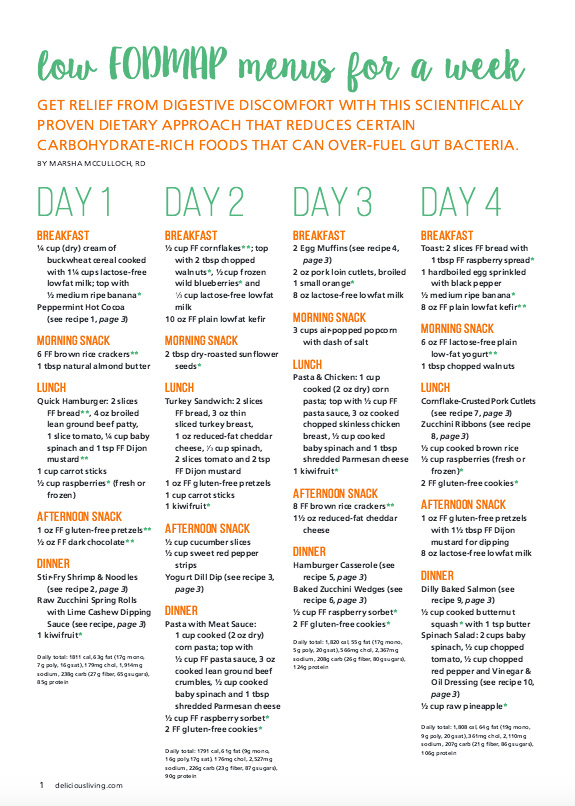
An easy way to experiment with this and take the guess work out of your meal planning is to try Delicious Living’s Low FODMAP Menus for a Week. They have put together meals that avoid all the high FODMAP foods and instead focus on healthy foods that are easy on the digestive tract. I mentioned this in my last post and here’s a preview of what you will find on the week plan:

lowfodmapmealplanpreview1

If you have gone gluten-free and have found some relief but not total relief, it is worth a week of effort to try low-FODMAP eating to see if you can’t be healthier (and therefore happier). Time to go shopping~

lowfodmapshoppinglistpreview2


food · Food allergies · food allergy blogs · food sensitivities · gardening · gluten intolerance · gluten intolerant · health · low-FODMAPs

More on Probiotics, Gluten, and FODMAPs

It seems the longer gluten is publicly examined, experimented with, demonized and glorified, the more probiotics are studied for their possible help with gluten sensitivity as well as IBS and all other digestive issues, plus a myriad of other issues as diverse as schizophrenia and the common cold. It certainly seems a well-stocked, diverse microbiome is fundamental to a healthy body, which actually makes me think of gardening. Every gardener knows a healthy garden starts with healthy soil, and the microbial bits of that soil are what make the difference between ‘meh’ and “oolala!” Our bodies are the same, depending heavily on the microbial system for optimum health. Personally, I’m aiming for “oolala” as opposed to “meh.”

In the Delicious Living article, Getting to the Gut of Gluten Sensitivity, the fact that gluten intolerance can be helped by probiotics is discussed, along with the fact that which probiotics work best is still unknown and most likely varies from person to person. This is yet  more evidence to support changing your probiotics in order to get the most variety and potency from your supplementation. After all, we all want the best results for our efforts, right? The article also makes the excellent point that it might not be the gluten in wheat (and other things) that some people are reacting to, but instead the FODMAPs as they are commonly known. To put it simply, it might be the carb in the wheat instead of the protein (gluten) that many people have a hard time digesting. For more information on the low-FODMAP diet, Delicious Living has a great One-Week Low-FODMAP Meal Plan which is a super way to try out the eating style because the lists of OK foods and off-limits foods can be daunting at first. Another great resource for all things low-FODMAP is FODMAP Life Blog which has all the lists you need and recipes so you know what to do with those lists.

Enjoy spring springing and all the changes that come about as you tend to your own personal biosphere. Everyone loves a beautiful garden.

InstagramCapture_498a3299-e937-4dcf-bf4b-f767f606c130[1]

celiac disease · food · Food allergies · food allergy blogs · food sensitivities · gluten free lifestyle · gluten free symptoms · gluten intolerance · gluten intolerance diagnosis · gluten intolerance symptoms · gluten intolerant · health

IgA Deficiency, Celiac Disease, and Gluten Sensitivity

I’ve written before about my own path to figuring out my gluten issues and it seems everyone has a diagnosis story like mine, though most are far more involved and long-lived, with the average person waiting 10 years for a proper CD or gluten sensitivity diagnosis. Just recently I read that another reason gluten issues are misdiagnosed is due to false negative blood tests~ if you have an IgA deficiency, the blood test for gluten reaction can come up negative even if it is positive. This is a big deal because: “Immunoglobulin A (IgA) deficiency is 10 to 15 times more common in patients with celiac disease (CD) than in healthy subjects.” That is a quote from Clinical and Vaccine Immunology. Another article on Food Matters gives further evidence of the link between IgA deficiency and food allergies and intolerances, such as:

“A significant number of allergic individuals have associated IgA deficiency, and there is evidence that IgA deficiency is linked to the development of gastrointestinal food hypersensitivity. (5)

Increased susceptibility to food allergies is now associated with IgA deficiency. (2,4)”

And, “IgA deficiency is much more common among those with celiac disease (gluten intolerance) than the general population.”

A very readable article on this issue can be found here: Gluten Intolerance & Celiac Disease.

Just something to know so you can advocate for yourself and your loved ones. You can also work on healing your intolerance by healing your digestive system. Here’s what worked for me. 


children · Food allergies · food allergy blogs · food sensitivities · gluten intolerance · gluten intolerant · health · kids

Probiotics

There is a study being carried out at the University of Washington (where I got my MA~ go Dawgs!) which is looking at probiotics in a slightly different way than the usual probiotic news. They are studying how birth by C-section vs. through birth canal effects the baby’s microbiome, and also the differences that occur in only breastfeeding, only bottle feeding, or mixing the two. As you might guess, the baby gets probiotics by actually traveling through the birth canal, kind of like the mama’s last parting gift as her little one moves into our germy world. I can’t help but think of it as a parting party bag…only the beginning of many party bags for the next 6 years at least. The baby does get some probiotics when delivered by C-section, but not anywhere near the same quality or quantity that the birth canal gives. And also as you might guess, breastfeeding offers the baby a host of probiotics that bottle feeding cannot replicate. What you might not guess, and what seems to have surprised the researchers, is that when mixing breast and bottle feeding the baby does not get the same amount of probiotics that pure breastfeeding gives. This is intended to inform only~ anyone who has a baby to feed needs to decide for themselves how best to do it. If you happen to have been a C-section, bottle-fed baby (like many of my generation) then it is yet another reason to look at taking probiotics. Or if you are a parent, then the same information can be used when making decisions for your kids. It makes me think about the rise of food intolerances and allergies of late and the part that infancy and the actual birth might play in those issues. Obviously the causes are multifaceted, but I do not doubt that our modern birthing and feeding changes play a role. A person’s microbiome is a magor player in their immune system their entire life, and it is never too late, nor too early, to start building a good defense system.

InstagramCapture_65d88c79-4dc3-4e9f-a4bb-f3f9425f3e48_jpg

alternative medicine · children · health · Herbs · homeopathy · kids

Homeopathy

Years ago when I worked at a natural foods store, there was confusion over that word, ‘Homeopathy’. Some used it in reference to all alternative or traditional forms of healing, when it is in fact, a very specific form of medicine. Homeo, just like homo, means same or similar to,  while pathy means disorder in the body, which is exactly the theory behind homeopathy know for action based on “like treats like”. In other words, homeopathic medicine uses substances that would create the same symptoms that one is trying to treat. Sound crazy? It should actually sound familiar, because this is the same theory behind vaccines~ small doses of a trigger element inspire the immune system to kick in and heal the body. While herbalism is best used as a daily practice to maintain balance and work to fix issues long-term, homeopathy is in its element when something is in need of immediate attention, such as when you fall and bonk your head, or come down with a cold despite the fortress of herbal walls you’ve built around yourself (like I did).

There are several homeopathic remedies I always carry with me, especially since I have two young boys who tend to collect bumps and bruises like others collect Star Wars paraphernalia. Arnica is for bumps, bruises, falls, sprains, anything that surprises your body with unwelcome force, including surgery. It works incredibly well, especially for kids who are usually surprised at putting little pellets under their tongue after falling down and they forget all about being hurt.

Arnica30C_Pillow-shadow-300

Another one that is always in my purse is Hyland’s Motion Sickness for obvious reasons. If I’m not in the driver’s seat, I’m sick, and my boys tend to get sick on long trips too, especially when they can’t keep from reading in the backseat. This stuff really works well and even though everyone says ginger or peppermint will help motion sicknesses, I’ll stick with homeopathy over herbs on this one.

hylands-motion-sickness

To ward off flu symptoms, nothing beats Boiron’s oscillococcinum. It’s a homeopathy remedy with a nearly unpronounceable name and yet during flu season it sells off the shelves like candy at Halloween which is proof this stuff packs some serious power. Oscillococcinum

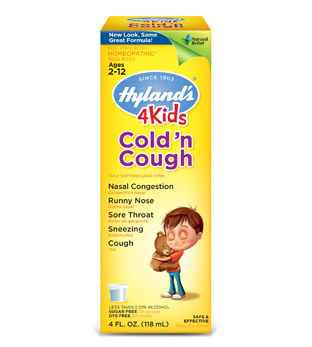
When my kids get a cold I use Hyland’s Cold n’ Cough (if they are coughing) which is a liquid and works quite effectively. It is similar to over the counter brands where you give a dose every 4 hours or so but it isn’t toxic in any way and it doesn’t make kids tired or feel drugged at all.

cold-n-cough-4kids_0

I also like Hyland’s Defend Severe Cold and Flu packets that you add hot water too and drink like a tea. They work really well and don’t have that weird suppressing feeling where the cold has been temporarily buried deeper while I walk around in a lethargic daze extending the time the cold resides in my body.

defendTea with lemon and honey works great too, but the homeopathic boost is a great addition to the winter virus battlefield. After all, the more tools in your toolkit, well, medicine cabinet, the better.

alternative medicine · children · ecology · essential oils · health · Herbs · kids

Everyday Herbalism Featuring Thieves Oil

This morning I was reminded of how herbs as essential oils are just part of my family’s everyday life, making it better, healthier, sweeter smelling, and even a little sillier. Before getting out of bed, I heard my oldest son sniffle a couple of times. The boys went skiing yesterday so I wasn’t overly concerned, but I did put some Thieves oil into my little diffuser instead of my usual morning wake-me-up blend. Thieves oil has a great story to it, though whether it is more history or mythology is anyone’s guess. I like to think the story had to start somewhere, so why not in an actual event? The story has several variations, but basically they all say something along the lines of this: During the Middle Ages there were four thieves in France who used to rob the graves (or the houses) of those who had died of the Plague and managed to not get ill themselves. When they were eventually caught, they were given a lighter punishment in return for telling how they did it. The four thieves admitted they used herbs (most likely soaked in vinegar at that time) to keep themselves from getting the disease. They knew how to do this because among them were perfumers and spice traders who at the time understood the anti-biotic and anti-viral properties of their goods. Their blend has passed down to us through all these centuries, though the actual recipes vary depending on who’s making it. Usually the blends include: clove, lemon, eucalyptus, cinnamon and rosemary, and then different makers add in their own special favorites. You can find it as Thieves Oil, Four Thieves Oil, Bandits Oil, and I’m sure other names as well.

The boys and I use it almost everyday. I have added Thieves Oil to almond oil (10 drops per ounce of base oil) and put it in a glass roller bottle so we can easily apply it. I like to rub my whole neck with it but the boys are pickier. Since it was at first difficult to convince them to start rubbing themselves with this perfume-like substance I resorted to telling them they had my permission to write swear words on themselves with this oil. They found that to be hilarious and even now, after months of this, my youngest still takes the oil from me with mischievous glee and waits for me to pull a face of shock and horror as he writes something spectacularly naughty on his arm. Whatever works.

You can make your own as there are plenty of recipes online, or just buy it already blended at any Whole Foods or herbal shop. I’m using Uncle Harry’s Four Bandits Anti-germ blend right now and realized after I bought it that the company is based right here in Redmond, WA, where I live! Now that’s pretty cool.

InstagramCapture_bb04d5ba-287c-4ca6-9f77-ef6a1934f386[1]

alternative medicine · ecology · essential oils · food · health · Herbs · homeopathy · modern life · slow food · technology

Herbal Enhancement and Enchantment

Every single day I use herbs in a multitude of ways and they are not necessarily ‘curing’ anything (although they might be!) nor are they making me super-human. What they do is enhance daily life in meaningful, beautiful ways and I’m on a mission to get others to think about herbs as enhancing their lives, instead of thinking of them in a pharmaceutical way. If people can change the way they think of herbs, they are far more likely to start using them and enjoying their benefits, which is great in itself but also it is beneficial because herbs work best as promoters of long-term balance, so not only would one get the most out of one’s herbal usage, one would also be able to retain balance and avoid imbalances (dis-ease). In other words, more herbs means less drugs, less sicknesses, less doctor visits.  Now I’m all for modern medicine~ absolutely would not turn back time to any romantic bygone era because I wouldn’t want to lose access to our modern medical wonders. I am most definitely not talking about replacing modern medicine with herbs~ if you have a medical issue, go to the doctor. Herbs can do so much more though, and if you start incorporating them in your life, it’s my firm belief you’ll have less medical issues for which you need to go to the doctor. And even though modern medicine may be full of wonders, the truth is not many people enjoy the time spent in doctors’ offices, hospitals, or going through the newest medical techniques~ miraculous or not. This attitude reminds me of the slow food movement so I like to think of it as slow health. Herbs alone won’t make a person healthy, but thinking long-term about health is a great way to start thinking about your personal tendencies and imbalances and how to counteract those things long-term. Many things might help: exercise, yoga, dietary changes, brain games, homeopathy, social changes, journaling, essential oils…the list can go on and on because we are all such different individuals. At a time of year when so many of us are reviewing our daily lives and resolving to do better, be better, I hope in the rush towards better-ness we can all pause and instead of just downloading a new app on our smart phones to track diets, or upping goals on fitbits, we can all think of slowing down this rush which is itself out of balance. Perhaps the best part of adding herbs into daily life is the connection with nature that moment provides.

Lavender

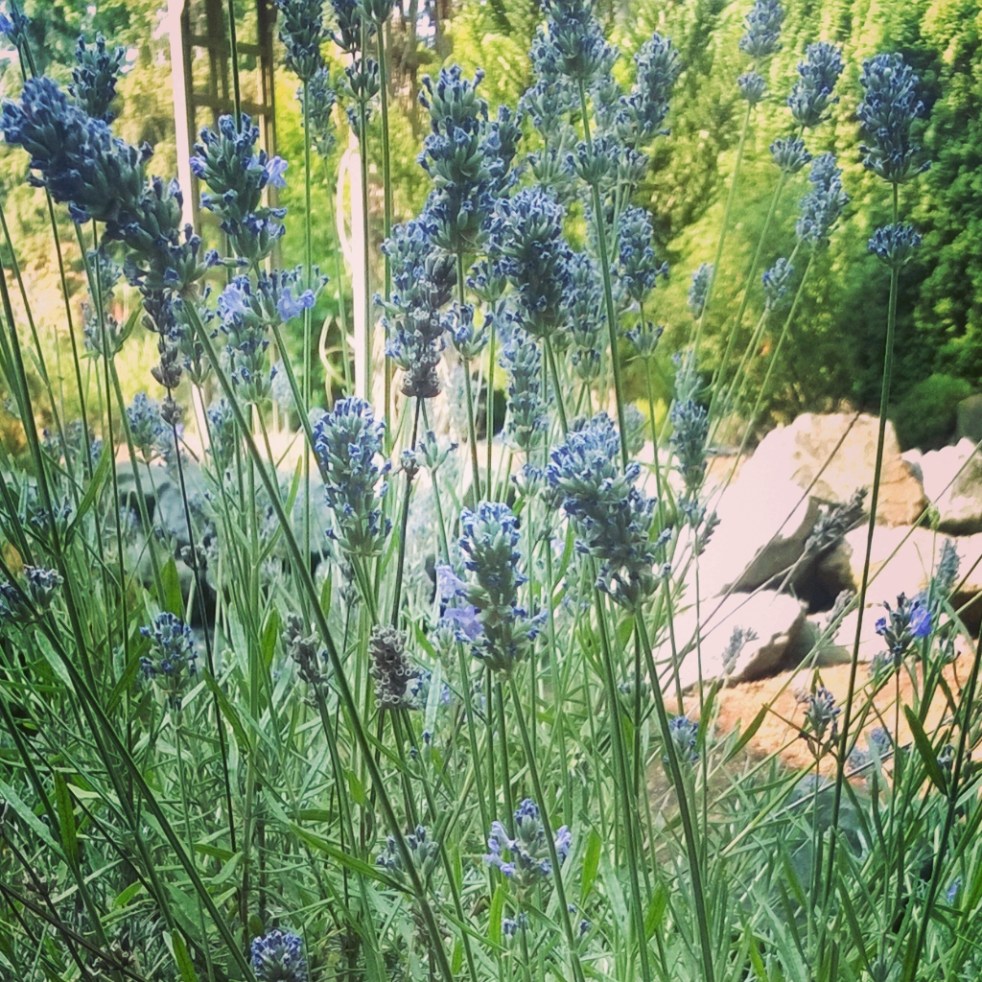
If you own one essential oil, it’s most likely lavender. Add a drop to your pillow tonight, or several drops to your bath and enjoy herbalism that way. In other words, you don’t have to drink an herbal tea or take a tincture in order to benefit from herbs, there is a world of beauty in essential oils that can be tapped through so many ways. Not that there is anything wrong with herbal infusions or tinctures, but if you are new to the world of herbs, I recommend starting with something fully pleasurable and beautiful and hopefully it will whet your appetite to investigate more in the herbal world. Health regimes do not need to be unpleasant~ enjoy creating your optimal health. It’s a beautiful thing.